

WHAT IS GINSENG?
Ginseng, often called the ‘king of herbs,’ has been used for thousands of years in East Asian countries as a traditional medicine to treat various diseases.
The plant known as ginseng, which comes from Asia, is thought to promote longevity. The term “rénshēn” refers to “man-root” in Chinese.
The rhizome does, in fact, typically have a man-like shape, with roots and rootlets acting as arms and legs.
Related Article: Moringa: The Miracle Tree for Immunity, Energy & Wellness
HOW GINSENG WORKS IN THE BODY?
How ginseng affect or what is the activities of ginseng and ginsenosides are still not clearly understood because of their heterogeneous and diversified chemical structures.
Absorption
When you take ginseng by mouth, your body doesn’t absorb much of its active compounds (saponins).
This is because they don’t easily pass through cell membranes and get broken down a lot in the digestive system before they can be used.
Short-lived
In humans, within a day, the amount of saponins in the body is reduced by half.
Its’s active substance don’t stay in the body for very long, which is why its effects are relatively short-lived unless it is taken regularly.
Interfere with medicines
Ginseng may interact with medicines and substances such as warfarin (a blood thinner), phenelzine (an antidepressant), and even alcohol.
These interactions can affect how the drug or ginseng works in the body, so people using such medications should avoid or consult a doctor before taking it.
Ginseng use in
It may be used to treat high blood pressure, stress, and many neurological conditions like Huntington’s disease, Parkinson’s disease, and Alzheimer’s disease.
These compounds shows diverse effects due to their steroid-like structure.
Ginseng compounds can alter many biological processes because they act on cell membranes and receptors, ultimately influencing gene activity.
Related article: Ginseng: Traditional History, Different Types & Benefits
BENEFITS OF GINSENG
Antioxidant activity
According to many research, free radicals are linked to a number of diseases, including senile dementia, diabetes, inflammatory joint disease, cancer, atherosclerosis, and degenerative eye disease.
Ginseng leaf extracts in ethanol and methanol may be able to eliminate free radicals.
It raises levels of the antioxidant enzymes glutathione peroxidase and superoxide dismutase.
Consumption of Korean ginseng significantly reduced serum levels of reactive oxygen species (ROS) and the activity of malondialdehyde (MDA), a marker of oxidative stress.
Reduce inflammation
Various in vitro and in vivo studies suggest that ginseng can reduce inflammation.
Ginsenosides, the active compounds in ginseng, suppress the NF-κB signaling pathway and decrease the expression of macrophage-derived cytokines.
Ginsenosides can inhibit the activation of tumor necrosis factor receptor-associated factors (TRAFs).
Furthermore, post-surgery consumption of ginseng has been associated with an increased likelihood of disease-free survival.”
Protect From Bacterial and Viral Infection
Ginseng proetect from bacterial and viral infection.
It can block inflammatory cytokines and stimulate antiviral cytokines in response to influenza viruses, including H1N1, H3N2, H5N1, and H9N2.
According to some research, in people with HIV type-1, ginseng reduced the antigen level of serum soluble CD8 and slowed down the loss of important CD4 T-cells in HIV type-1 patients.
It has antiviral effects and can help fight infections caused by several viruses, including coxsackievirus B3, enterovirus 71, human rhinovirus 3, human herpesvirus, hepatitis A and B viruses, and feline calicivirus.
Saponins, when combined with antibiotics like kanamycin and cefotaxime, can effectively disrupt the cell membrane of Staphylococcus aureus, helping to reduce infection
Other bacteria that ginseng may treat include Salmonella enteritidis, Streptococcus pneumonia, Fusobacterium nucleatum, Helicobacter pylori, Listeria monocytogenes, Pseudomonas aeruginosa, Porphyromonas gingivalis, Bacillus cereus, Bacillus subtilis, Clostridium perfringens, and Cryptococcus neoformans.
Maintain Heart Health
Cardiovascular disease includes various conditions affecting the heart and blood vessels and is one of the leading causes of death worldwide.
Ginseng improve lipid profiles and boost blood circulation.
In the heart and blood vessels, calcium ions help control muscle contraction and internal cell signaling. Ginsenosides can block calcium from entering cells, which may help improve heart function.
Ginsenosides can prevent or reduce the enlargement of the heart muscle (cardiac hypertrophy) in studies done on rats.
It lowers blood pressure and maintain blood circulation.
It can help prevent blood from clotting by acting like a blood thinner or anticoagulant.
Based on in vivo studies, saponins control levels of triglycerides (TG), total cholesterol, and low-density lipoprotein cholesterol (LDL-C).
Prevent Obesity
Ginseng can help regulate or reduce obesity.
Some studies have shown that ginseng extract can lower levels of total cholesterol, triglycerides (TAG), and LDL (bad cholesterol) in the blood, while increasing HDL (good cholesterol).
Prevent Diabetes
In China, Korea, and Japan, ginseng is utilized as a traditional medicine to treat diabetes.
Ethanol extract from wild ginseng dramatically lowered fasting blood sugar.
Ginseng improved glucose and insulin control and increased insulin secretion.
Regulate Neurological Disorder
A number of neurological conditions, including memory, anxiety, depression, epilepsy, stroke, amyotrophic lateral sclerosis, Alzheimer’s disease, Parkinson’s disease, and Huntington’s disease, can be significantly improved by consuming components of ginseng.
Ginsenoside prevents depression.
In Alzheimer’s disease
Alzheimer’s disease (AD) is a brain disorder that worsens over time.
According to the amyloid cascade hypothesis, the buildup of amyloid beta proteins in the brain leads to nerve cell damage and death.
Studies suggest that ginsenosides can lower amyloid beta levels, helping protect the brain from Alzheimer’s disease.
In Parkinson’s disease
The exact cause of Parkinson’s disease isn’t fully understood, but research suggests that both genetic and environmental factors contribute to its development.
Ginsenosides can protect nerve cells by reducing oxidative stress and inflammation in the brain. They also help prevent cell death caused by toxins.”
Ginsenoside improved learning and memory impairments in lipopolysaccharide-induced cognitively impaired mice.
Enhancing energy and sexuality
As a herbal nutritional supplement, ginseng became well-known due to its claims of increasing sexual endurance, strength, and energy.
It can improve the movement and quality of sperm compared to a group that did not receive ginseng treatment.
Ginseng can act like estrogen . For this reason, ginsenosides has been used as a natural remedy to help relieve postmenopausal symptoms.
Doses: In cases of severe erectile dysfunction, taking 900 mg of Korean ginseng three times a day for 8 weeks led to noticeable improvements in erectile function and sexual satisfaction.
Anticancer activity
Different methods of processing ginseng—like
- Heat-processed Korean ginseng (steamed at 98–100°C for 2–3 hours),
- Sun ginseng (steamed at 120°C for 2–3 hours),
- Black ginseng (steamed and dried nine times)
It reduce the levels of common ginsenosides (Rb1, Rc, Rd, Re, and Rg1) but produce new ginsenosides (Rg5, Rk1, Rk2, Rk3, Rs4, Rs5, Rs6, and Rs7).
These new compounds are believed to be responsible for the unique anticancer properties of heat-treated ginseng.
In mice, red ginseng extract prevents the development of lung cancers.
Ginsenosides can reduce the growth and spread of lung cancer cells.
In liver cancer, ginsenosides can prevent cancer cells from moving and spreading to other parts of the body.
Ginseng can strongly inhibit the growth of skin, prostate, and colon cancers, as well as leukemia. It induced apoptosis of breast cancer cells.
Weakness is a common symptom in cancer patients. Studies have shown that American ginseng can help reduce this cancer-related fatigue.
Suggested doses for Ginseng
(Dosage may vary depending on ginseng type, species, and product strength. Always follow product instructions or consult a healthcare professional.)
Dried Root: Consume 1–2 grams of ginseng daily
Ginseng Tea: 1–2 cups per day is enough
Powdered Ginseng: 0.5–1 gram, up to twice daily
Standardized Extract (capsules/tablets): 200–400 mg daily (containing 4–7% ginsenosides)
Tincture: 1–2 ml, 2–3 times daily
Safety Tips
It’s recommended to consume ginseng in periods, such as using it for 2–3 weeks and then taking a 1-week break, to avoid overstimulating the body.
Do not consume ginseng late in the evening because it can make it hard to fall asleep (Insomnia).
Pregnant or breastfeeding women should not take ginseng unless advised by a healthcare professional.
Do not consume ginseng without medical advice if the person is suffering from high blood pressure, heart disease, or diabetes.
POSSIBLE SIDE EFFECTS AND RISKS
Morning diarrhea, skin eruption, anxiety, insomnia, edema, depression, hypotension, and decreased appetite are all negative effects of ginseng use.
Taking ginseng for up to six months is probably safe. Taking ginseng for longer than six months may be harmful.
Leads to Allergic Reactions
Severe allergic responses, liver damage, and severe rash are uncommon side effects that have been documented.
When someone is exposed to dried ginseng and its dust for extended periods of time, Korean ginseng can cause occupational asthma.
Affect Heart Health
Ginseng extracted with ethanol may lead to inflammation of the brain’s arteries (cerebral arteritis).
it can result in diastolic dysfunction, heart failure, and a drop in blood pressure.
Korean ginseng syrup can occasionally cause low blood pressure, erythematous papules, respiratory allergies, and angioedema.
A high dose of ginseng can cause permanent damage to blood vessel function by blocking calcium entry.
Repeated high-dose use can lead to changes and structural remodeling of the vascular smooth muscle.
People with poor kidney function should avoid taking ginseng, because it has been linked to an irregular heartbeat called atrial fibrillation, sometimes accompanied by a very slow heart rate (bradycardia).
Pregnant women should avid Ginseng
Pregnant women should avoid ginseng because it may have harmful effects during the first trimester of pregnancy and lactation.
Taking Ginseng by mouth may be unsafe during pregnancy, as it has caused birth defects in animal studies. It has also been associated with serious, even fatal, poisoning in newborns.
Mimic estrogen
There are medical case reports suggesting that long-term ginseng use can sometimes cause gynecomastia (breast enlargement) in males, even in children.
Ginseng Interact with other medication
Ginseng can interfere with the breakdown of imatinib (a cancer medication). This can cause higher levels of the drug in the body, which may damage the liver.
Ginseng and other medication interactions may be harmful to health, particularly for people using warfarin to prevent thromboembolism and deadly strokes.
Other side effects
When ginseng applied to the skin. It can cause side effects such as irritation and burning.
People with autoimmune diseases—such as multiple sclerosis, lupus, or rheumatoid arthritis—should avoid it. It can boost immune system activity, which might worsen these conditions. Additionally, it may affect blood clotting.
High doses of ginseng may cause sleep problems and agitation in people with schizophrenia. Therefore, individuals with schizophrenia should be cautious when using ginseng.
RECENT DEVELOPMENTS: NANOGINSENG
Nanoparticles and nanocomposite technologies based on ginseng have been developed throughout the last ten years.
Ginseng nanoparticles have been marketed as innovative medication delivery vehicles for neurological, inflammatory, and cancerous conditions in a number of studies.
Ginseng-based nanotechnology has the potential to scan cancer cells in addition to its inhibitory effects.
Nanohybrid-conjugated ginsenosides were utilized to improve magnetic resonance imaging (MRI) of hepatocellular carcinomas in a model of nude mice, and re-based carbon dots were used for bioimaging.
A 2018 lab study showed that ginsenoside nanoparticles could cross the blood-brain barrier, reduce amyloid-beta (Aβ) plaques, and suppress the production of the precursor protein linked to Alzheimer’s disease.
Recent developments in ginseng research could result in the development of innovative nanotheranostics for the treatment of a number of diseases.
Related article: Ginseng: Traditional History, Different Types & Benefits
Recommended Products
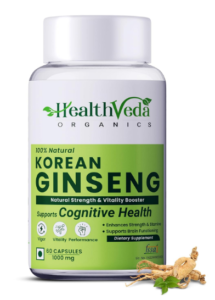
Health Veda Organics Korean Red Ginseng 1000 mg | 60 Veg Capsules | Energy, Stamina & Strength Support | For Men & Women
Health Veda Organics Plant Based Korean Red Ginseng 60 veg Capsule is 100% plant based supplement. It contains no additives, preservatives or harmful chemicals unlike other supplements.
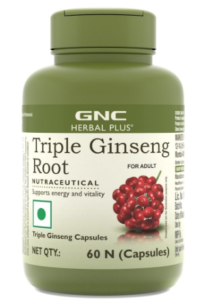
GNC Herbal Plus Triple Ginseng with Korean, American & Siberian Ginseng
GNC Herbal Plus Triple Ginseng Root capsules have the goodness and benefits of 3 kinds of ginseng – American, Korean, and Siberian
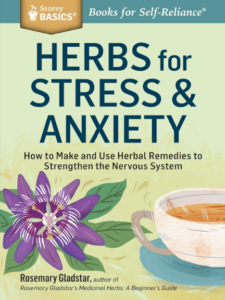
Herbs for Stress and Anxiety– by Rosemary Gladstar
Treat stress, anxiety, depression, and more with simple herbal remedies that calm your mind, build a healthy nervous system, and promote lasting peace. In this informative guide, renowned herbalist Rosemary Gladstar profiles 21 herbs proven to be effective at soothing common ailments like insomnia, panic attacks, skin conditions, and migraines.