

What is Breast Cancer?
When cells in the breast grow out of control and develop into a lump or tumor, breast cancer begins. These cancer cells have the ability to penetrate neighboring tissues and perhaps spread to other organ regions.
Types of breast cancer
- Non- invasive/ In-situ Breast Cancer– It do not spread outside the original. These are LCIS (benign) and DCIS (It may develop into invasive breast cancer).
- Invasive Breast Cancer– It spread the outside of the surrounding breast tissue. These are ILC, IDC and rare types.
Related Article:
Epidemiology
The most prevalent cancer among women worldwide, including in India, is breast cancer.
In 2020, there were almost 200,000 new cases recorded; in 2025, 232,832 cases are anticipated to be diagnosed.
Compared to rural registries, urban population-based cancer registries have indicated a higher incidence of breast cancer.
Common Symptoms of Breast Cancer
Visible or Physical Changes
- Lump in the breast or underarm (armpit) – usually painless and hard with irregular edges, but can also be soft and rounded
- Swelling of part or all of the breast
- Skin dimpling (like the texture of an orange peel)
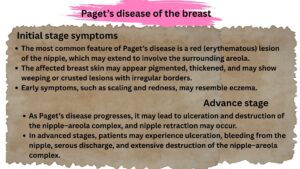
- Redness, dryness, flakiness, or thickening of the nipple or breast skin.
- Nipple discharge (other than breast milk), especially if bloody
- Nipple inversion (turning inward)
- Pain in the nipple or breast area
Less Common Symptoms
- Swollen lymph nodes near the collarbone or underarm
- Breast pain or tenderness (less common but possible)
- Change in breast size or shape
Important Facts
- Not all lumps are cancerous — many are benign (non-cancerous).
- Breast cancer can occur in both men and women, though it’s much rarer in men.
- Early-stage breast cancer may not show obvious symptoms, so regular screening (like mammograms) is vital.
Tip: Monthly self-exams and regular clinical checkups are essential!
Breast cancer risk factors
Age Factor
As with many other diseases, your chance of breast cancer grows up as you become older. About two out of every three cases of invasive breast cancer occur in women who are 55 years of age or older. growing older. As people age, their risk of developing breast cancer rises.
Family history
An increased risk of breast cancer may result from a family history of the disease. Women are more likely to get breast cancer if they have close relatives with the disease, particularly moms, daughters, or sisters. Another factor that increases risk is a male relative’s family history of breast or ovarian cancer.
Genetic Factor
It is estimated that between 5% and 10% of breast cancers are inherited, resulting from defective genes that are passed down from parents to their offspring. mutations in the genes. The risk of ovarian and breast cancer is increased by inherited abnormalities in specific genes, such as BRCA1 and BRCA2.
Personal history of breast cancer
You have a three to four times higher chance of getting another cancer in the other breast or another area of the same breast if you have already been diagnosed with breast cancer. The risk of developing breast cancer again is higher for those who have already had it.
Atypical ductal hyperplasia and lobular carcinoma in situ (LCIS) are two noncancerous breast conditions that are linked to an increased risk of developing breast cancer.
Radiation exposure
Prior radiation therapy treatment. Women who received radiation therapy to the breasts or chest before the age of thirty (for example, to treat Hodgkin’s lymphoma) are at an increased risk of developing breast cancer in the future.
Other reasons
1. Being Overweight: Women who are overweight or obese, particularly after menopause, are more likely to receive a breast cancer diagnosis than women who maintain a healthy weight.
2. Not being physically active- Women who are not physically active have a higher risk of getting breast cancer
3. Pregnancy- Chance of developing breast cancer may be influenced by your age at the time of your first childbirth and the number of pregnancies you have had, including whether you have never had a full-term pregnancy. history of reproduction.
4. Breastfeeding can lower breast cancer risk, especially if you breastfeed for longer than one year.
5. Harmonal Replacement Therapy- Some forms of hormone replacement therapy (those that include both estrogen and progesterone) taken during menopause can raise risk for breast cancer when taken for more than 5 years. Certain oral contraceptives (birth control pills) also have been found to raise breast cancer risk.
Estrogen Balance: The Secret Behind Energy, Mood, and Glow
6. Alcohol and smoking- Research shows that drinking alcoholic beverages of any kind increases a woman’s risk of hormone receptor-positive breast cancer.
Diagnosis
Timely diagnosis can save lives. Tools include:
- Mammogram – A low-dose X-ray of the breast
- Ultrasound – Useful for younger women with dense breasts
- Biopsy – Tissue sample tested for cancer cells
- MRI or PET scan – For detailed imaging and staging
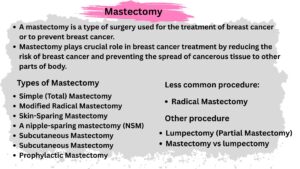
Related article: Mastectomy: Types of Mastectomy, Risk factors, Diagnosis
Treatment
Treatment depends on the stage, type, and spread of cancer:
- Surgery – Lumpectomy or mastectomy
- Radiation therapy – Kills leftover cancer cells
- Chemotherapy – Destroys cancer cells through drugs
- Hormone therapy – For hormone receptor-positive cancers
- Targeted therapy – Eg: HER2 inhibitors
- Immunotherapy – A newer but promising approach
Do-
- Maintain healthy weight and diet
- Exercise regularly
- Limit alcohol
- Breastfeed if possible
- Get regular screenings after age 40
Avoid
- Smoking
- Prolonged hormone therapy without medical advice
Final Thoughts-
Breast cancer is not a death sentence—early diagnosis, proper treatment, and strong support systems make a big difference. As a community, spreading awareness and encouraging women to prioritize their health is the first step toward defeating this disease.
Read about