

Detox or Cleanses
There are many articles that describe the significance of detox. But what exactly is detox, and how does it affect our body? Detox, or “cleanses,” refers to therapies or diets designed to remove toxins from the body and promote weight loss, which in turn may improve overall health.
Why we need detoxification?
In today’s world, people work, travel, and are exposed to many harmful substances, such as pollution, processed foods, and stress. These toxins can accumulate in the body and put extra pressure on the body’s natural detox systems, including the liver, kidneys, and skin.
Detox method helps the body to remove the toxins and support the organs functions. When toxins are removed, the body may function better, leading to improved metabolism, digestion, immune health, energy levels, and mental clarity. Overall, detoxing can help the body feel more balanced, refreshed, and healthy.
Natural Detoxification System
Fortunately, the body already has natural detoxification systems that continuously remove harmful substances and maintain normal organ function. Most detox programs or supplements do not provide benefits beyond what the body can naturally do on its own. However, when the body is healthy, these detox processes work more efficiently.
Many detox methods that people promote are not supported by scientific or medical evidence. Because of this, it can be confusing for people to know whether they really need to detox their body and, if detoxing is necessary, what the correct and safe way to do it is.
Only a few studies have examined detox programs in people. Some studies reported improvements in weight loss, fat reduction, insulin resistance, and blood pressure. However, many of these studies were of low quality because they had poor study design, small sample sizes, or were not peer-reviewed.
Researcher Opinion On Detox
A 2015 review found no convincing scientific evidence that detox diets help with weight management or removal of toxins from the body. A 2017 review reported that juicing and detox diets may cause short-term weight loss, mainly because people consume very few calories during these diets. However, once a person returns to their normal eating habits, the lost weight is often regained. Also, no studies have examined the long-term effects of detox programs, so their long-term safety and effectiveness are unknown.
Adverse effect of detox
Detox diets are often ineffective and sometimes harmful. Many of them involve extreme restrictions, fasting, or consuming only certain drinks, which can negatively affect the body.
Because of this, detox diets may pose health risks rather than provide real health benefits. Detox diet can cause vitamin deficiency, anaemia, muscle loss, electrolyte imbalance, abdominal and digestive pain, weak immune system.
Related article: Hidden Sugar in Everyday Foods and Its Brain Impact
10 Powerful Superfoods That Naturally Boost Your Immune System
Historical evidence of detoxing
The idea of detoxing is very old and dates back to the time of Hippocrates, who is often called the father of medicine.
Hippocrates believed that the human body contained four main fluids (humors):
Blood (more blood was thought to have a cheerful and energetic personality)
Phlegm (mucus in the body, calmness, and a slow or relaxed temperament)
Black bile (produced by the spleen and was associated with sadness)
Yellow bile (come from the liver and was linked to anger, irritability, and aggression.)
According to this theory, a person stayed healthy when these fluids were balanced. If someone became ill, it was thought that these fluids were out of balance, and treatments were used to restore that balance.
For many centuries, doctors used different methods to remove substances from the body to restore balance, such as
Enemas – inserting a tube into the anus to send medicine or fluid into the rectum or colon to clean the bowels.
Emetics – medicines that make a person vomit.
Leech therapy – using leeches to suck blood from the body.
Bloodletting – deliberately removing blood from a patient to treat disease.
Doctors believed that removing fluids like blood or waste could help cure illness. Fasting was historically practiced as a religious act, showing self-control, purity, and holiness, and it was especially common among women.
Body Has Natural Detox System
Liver
Liver is very important because it performs various functions in the body.
Everything person consume like food and drink, that gets absorbed into the blood first goes to the liver. The liver filters the blood and decides what nutrients to keep, what to store, and what substances to break down or remove.
When harmful chemicals or toxins enter the body, the liver uses special proteins called Enzymes to break them into less harmful substances. The liver produces Bile, a green liquid that helps digest fats, carries toxins from the liver to the intestines so they can leave the body in stool. Eating fiber helps absorb bile and toxins so they do not get reabsorbed back into the body.
Some foods help the liver work better, such as leafy greens (spinach, kale), cruciferous vegetables (broccoli, cauliflower), garlic and onions (contain sulfur), citrus fruits, turmeric and ginger.
Kidney
Kidneys play an essential role in detoxifying the body by filtering the blood and removing waste products, excess water, and toxins. Each day, the kidneys filter about 113–142 liters of blood to produce around 1 to 2 liters of urine, which carries waste materials out of the body. This process helps remove by-products from food, medications, and normal cellular activity while also maintaining the balance of fluids and electrolytes in the body. In addition, the kidneys help regulate blood pressure and maintain proper pH balance.
Drinking enough water is important for proper kidney function because dehydration makes urine highly concentrated and dark yellow, which can make it harder for the kidneys to remove waste effectively. Highly concentrated urine can also contribute to the formation of kidney stones, which occur when minerals crystallize and clump together. Therefore, staying well hydrated helps the kidneys flush out toxins efficiently and prevents mineral buildup that may lead to kidney stones.
Intestines, Skin, and Lungs
Although the liver and kidneys do most of the work of removing toxins, other organs also help:
Intestines remove solid waste from the body and stop some toxins from being absorbed.
Lungs remove gaseous waste such as carbon dioxide when we breathe out.
Skin releases small amounts of waste through sweat.
All these organs work together continuously to maintain balance in the body. When these systems are healthy and functioning properly, the body can naturally remove toxins, so special “detox” products are usually not necessary.
Detoxing Myths vs. Facts
Myth: Body needs to detox regularly.
Facts: Many people believe the body needs special detox diets or products to remove toxins. However, this is a myth. The human body is naturally designed to detoxify itself, mainly through liver, which acts as the body’s main detoxification organ.
The liver is essentially the body’s “detoxification machine.” It constantly processes and removes harmful substances that we eat, breathe, or absorb.
If the liver remains healthy, it can efficiently handle toxins and keep the body functioning properly.
Myth: Detox can improve health
Fact: Many people believe that a detox diet can restore health after unhealthy eating or drinking, but this is a myth. If someone frequently eats unhealthy foods or drinks too much alcohol, it can damage liver over time, and detox products cannot reverse that damage.
Foods like fried foods and sugary drinks are difficult for the liver to process. When consumed in excess, they can cause fat to build up in the liver. This condition is called Non‑Alcoholic Fatty Liver Disease. Drinking alcohol can add even more fat to the liver and worsen the problem.
Once fat accumulates in the liver, it can be very difficult to remove. However, people can prevent further fat buildup by eating a healthy diet and limiting alcohol consumption.
Switching to a healthy, mostly plant-based diet that includes lean proteins, whole grains, fruits, and vegetables can provide many benefits that detox products claim to offer, such as reduced inflammation, better digestion, more energy, and stronger immunity.
Myth: Detox diets are safe to follow
Fact: Many people believe detox diets are safe, but this is a myth. Some detox programs involve complete fasting, drinking only water or juice, eating only fruits and vegetables, or using herbal teas, supplements, or enemas. These strict diets can lead to health problems such as electrolyte imbalance, vitamin and mineral deficiencies, diarrhea, stomach issues, and extreme tiredness.
Various claims come from personal testimonials rather than proper medical research, and these programs are usually not supervised by doctors, which raises safety concerns.
Myth: Detox is good for long-term weight loss
Fact: Many people believe detox diets can lead to long-term weight loss, but this is a myth. Scientific evidence shows that short-term detox programs rarely lead to lasting weight loss. When people lose weight during a detox, it is usually because of loss of body fluids and some lean muscle, not actual body fat.
Detox diets are usually short-term eating plans, so their results are also temporary. When a person returns to normal eating habits, the lost weight often comes back. This regained weight is mainly due to the restoration of glycogen (stored carbohydrate) and the water associated with it, rather than an increase in body fat.
Myth: You need special diet plan to detox
Fact: Many people believe that they need special detox drinks, supplements, or products to remove toxins from their body. However, this is a myth. The body already has natural systems that remove waste and harmful substances.
Liver and kidneys are highly efficient organs that filter toxins and waste from the body. When these organs are healthy and functioning properly, they can detoxify the body naturally without the need for special products or supplements.
Myth: Juice significantly remove toxins from your body
Fact: Juice may give you some vitamins and minerals, but they usually do not contain enough protein and fiber, which are important for keeping your body and liver healthy.
When people lose weight during a juice cleanse, it is usually because the body is losing water, stored carbohydrates (glycogen), and sometimes muscle, not because toxins are being removed.
Myth: Colon detox is necessary to remove toxins
Fact: Your colon (large intestine) already has a natural function to remove waste from the body through bowel movements. In healthy people, it does not need special detox treatments.
Scientific research shows no strong evidence that colon detox is necessary or beneficial. In fact, these cleanses can sometimes be harmful because they may:
Disturb the good bacteria in the gut
Cause electrolyte imbalance (changes in important minerals like sodium and potassium)
Lead to dehydration or digestive problems
Myth: Sweating in saunas removes significant amounts of toxins
Fact: Sweating can remove very small amounts of waste products, but the main organs responsible for detoxification are the liver and kidneys. These organs process and eliminate most toxins from the body through urine and other metabolic pathways.
Saunas may still have other benefits, such as relaxation, improved circulation, and temporary relief of muscle tension, but they do not significantly detoxify the body.
Myth: Fasting is necessary for detoxing
Fact: Not eating for a long time does not help the body detox. In fact, prolonged fasting without medical supervision can cause low energy, nutritional deficiencies, hormonal imbalance.
Your body functions best when it receives regular, balanced nutrition. Eating whole foods such as fruits, vegetables, lean proteins, whole grains, and healthy fats helps support the body’s natural detox systems much better than starving or skipping meals.
Myth: Detox tea and supplements are safe and effective
Fact: Many detox teas, pills, and powders are not strictly regulated, and some may contain substances such as laxatives, diuretics, or harmful chemicals. These ingredients can cause problems like digestive issues, dehydration, stress on kidneys.
The idea that taking a pill or drinking a special tea can completely cleanse the body is misleading. Your body already has natural detox systems (like the liver and kidneys), and they work best when supported by healthy food, hydration, and balanced nutrition.
How to Naturally Support Your Body?
Stay hydrated
Proper hydration is essential for liver and kidney function. Water transfer nutrients to the liver and eliminate toxin through excretion.
Avoid alcohol consumption
Consumption of alcohol causes fatty liver diseases, inflammation (alcoholic hepatitis) and permanent scarring (cirrhoisis). It’s better to avoid alcohol for healthy liver and kidney.
Regular exercise
For overall health and healthy liver, regular physical activity is essential. Physical activity reduces fat accumulation in liver, improve insulin sensitivity and enhance metabolism.
Prioritize Sleep
Good sleep helps your brain, body, and liver clean and repair themselves naturally, which supports the body’s detox system.
Avoid Smoking
Smoking harms the blood vessels, making them narrower and reducing blood flow to important organs, including the kidneys. When the kidneys receive less blood, their ability to filter waste and toxins from the blood decreases.
Smoking also increases the risk of kidney cancer and other serious health problems.
Eat More Antioxidant-Rich Foods
Foods that contain antioxidants help protect the body’s cells from damage caused by harmful molecules (oxidative stress). By protecting cells, antioxidants help keep important organs healthy, which supports the body’s natural detoxification system.
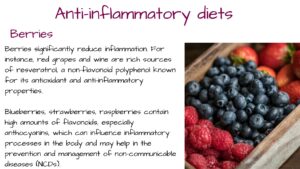
Examples of foods rich in antioxidants include berries, bell peppers, citrus fruits, broccoli, legumes, and green tea.
Most plant-based foods naturally contain antioxidants. Eating a variety of foods such as fruits, vegetables, whole grains, nuts, seeds, and spices can help increase antioxidant intake.
Avoid Ultra-Processed Products
Ultra-processed foods such as candy, soda, chips, cookies, fast food, some frozen meals, and processed meats can cause inflammation in the body.
This inflammation makes your organs work harder, including the organs responsible for detoxification, such as the liver and kidneys.
Eating large amounts of ultra-processed foods for a long time is also linked to many chronic diseases, including liver disease and kidney disease.
Consume More Sulfur-Rich Foods
Foods that contain sulfur help support the body’s natural detoxification process. They can assist in removing certain harmful substances such as heavy metals and help increase the body’s antioxidant activity.
Examples of sulfur-rich foods include onions, garlic, and broccoli.
These foods also help increase the effectiveness of glutathione, an important antioxidant in the body that plays a major role in detoxification.
Read article:
Rheumatoid Arthritis (RA): Symptoms, Causes & Risk Factors
Systemic Sclerosis (Scleroderma): Background, Types, and Symptoms