

Hidden Sugar and Mechanism Behind Sugar Cravings
Discover what hidden sugar is, where it hides in everyday foods, and how the brain’s reward system drives sugar cravings and impacts your health.
HIDDEN SUGAR
On this New Year, my resolution was to take care of my health and eat only healthy food. So, I decided to stop consuming sugar and start eating healthier. The next morning, I had fruit juice. For breakfast, I ate bread with low-fat yogurt. In the evening, I had dry fruits with lemon tea and honey as a snack.
Did I really avoid sugar, or did I consume more sugar? The answer is YES — I consumed more sugar without realizing it.
MECHANISHM BEHIND SUGAR CRAVINGS
Our love for sweets is deeply connected to how the brain controls hunger and pleasure. Two main systems are involved: the hypothalamus and the brain’s reward system.
The hypothalamus
The hypothalamus constantly monitors and regulates the level of glucose (sugar) in the blood. When glucose levels decrease, the hypothalamus sends signals that trigger hunger, remind us to eat and restore energy. This system is essential for survival because glucose is the primary fuel source for the brain and body.
Brain’s reward system
Brain’s reward system influences what we want to eat. This system includes several interconnected brain regions that communicate using neurotransmitters such as dopamine, often called the “feel-good” chemical. When we eat sugary foods, dopamine is released in high amounts, creating feelings of pleasure, satisfaction, and comfort. This pleasurable response reinforces the behavior, making us more likely to repeat it.
Over time, frequent consumption of sugary foods can strengthen this reward pathway. The brain begins to associate sugar not just with energy, but with emotional pleasure. As a result, cravings develop not because the body needs energy, but because the brain anticipates the rewarding feeling. This process can turn occasional sweet consumption into a repeated habit, making it harder to reduce sugar intake.
In simple terms, we crave sweets both because our body needs energy and because our brain enjoys the pleasure that sugar provides.
NATURAL SUGAR AND ADDED SUGARS
Consuming natural sugars, such as those found in fruits, is good for health because they come with essential nutrients like fibre, vitamins, and minerals. In contrast, free sugars provide energy but contain little to no nutritional value.
SUGAR AFFECT ONLY OBESE PEOPLE?
Many people think that if they are not overweight, they can eat as much sugar as they want. However, consuming high amounts of sugar can increase the risk of developing multiple diseases. It does not matter whether you are obese or skinny excess sugar can negatively affect your health.
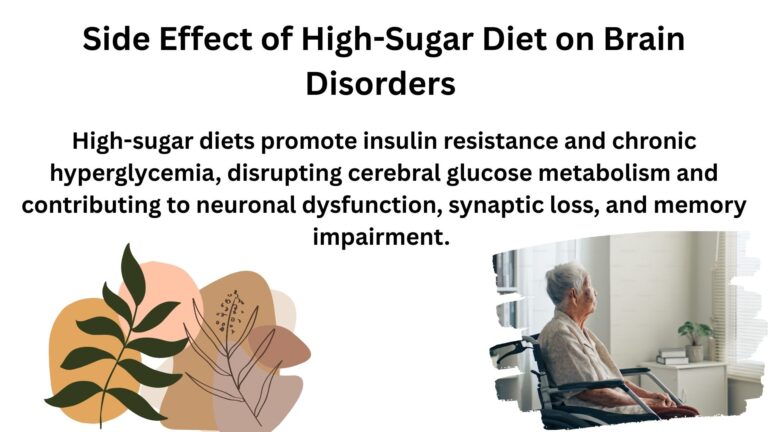
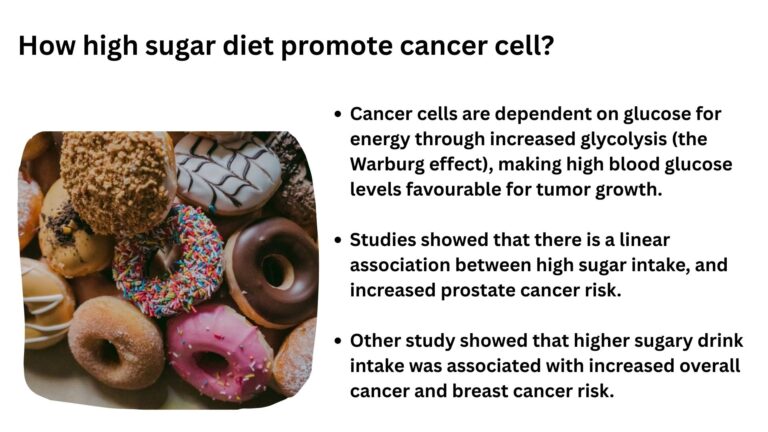
A high-sugar diet (HSD) not only affects physical health but also impacts mental health. HSD can lead to obesity, high cholesterol, and diabetes. HSD is also associated with an increased risk of cancer, chronic inflammation, and neurodegenerative disorders such as Alzheimer’s disease and Parkinson’s disease. Furthermore, high sugar intake has been linked to emotional disorders, including depression and anxiety.
Related article:
High-Sugar Diet and Brain Disorder
Can a High-Sugar Diet Increase Cancer Risk?
IMPACT OF HIDDEN SUGAR ON HEALTHY LIFE
Living a healthy life requires managing sugar consumption from both natural sources and hidden sources found in everyday food items. In this post, we will discuss how to identify hidden sugars and how to avoid them.
In the market, there are many products available that directly or indirectly contain sugar, and we are often unaware of it. There are also various alternative names for sugar that people do not realize are actually forms of sugar.
Hidden sugar refers to sugar that is not always clearly noticeable in the taste of food or beverages, yet it still contributes significantly to daily sugar intake. In packaged products, sugar may appear under different names, such as sucrose, fructose, corn syrup, or fruit juice concentrate.
Therefore, it becomes essential to be aware of what we are consuming and how to avoid excess sugar. Sugar is naturally present in dairy products, fruits, and vegetables. However, people also add sugar to many foods. At home, sugar is added to sweets, coffee, and other sweet dishes. In the food industry, sugar is widely used in products such as soda, candy, and various syrups. These added sugars are known as free sugars.
Following are the common foods that contain hidden sugars
Yogurt
Yogurt has various benefits for gut health because of the presence of probiotics. In supermarkets, we find different types of yogurt, such as Greek yogurt, low-fat yogurt, flavored yogurt, and regular yogurt. Among these options, many people prefer low-fat yogurt, assuming it is healthier. However, low-fat and flavored yogurts often contain a high amount of added sugar. To reduce sugar intake, it is better to choose plain Greek yogurt or regular yogurt and add fresh fruits for natural sweetness. This way, you consume less added sugar while getting more nutrients.
Crackers and Bread
Crackers and bread can be good additions to a healthy diet. Both provide carbohydrates and some protein. However, crackers generally contain little to no fibre, whereas whole-grain bread is higher in fibre and more nutritious.
Some brands of crackers and bread contain different types of added sugars, such as sugar, refined syrup (made from cane or beet sugar), malt syrup (made from barley or corn), and high-fructose corn syrup.
If you prefer a healthy, low-sugar diet, choose crackers or bread with no added sugar or minimal added sugar. Always read the ingredient list and nutrition label before purchasing.
Protein Bars
Protein bars are a convenient source of protein that provide quick energy and help balance daily protein intake. However, many protein bars contain a high amount of added sugar, which can increase blood sugar levels and contribute to insulin resistance if consumed regularly.
It is important to carefully read the nutrition label to avoid excess sugar and choose brands that contain little to no added sugar.
Oatmeal
Oatmeal is a popular breakfast choice and a type of whole grain that contains carbohydrates, high fibre, and some antioxidants. Plain oatmeal contains very little natural sugar and is a good option for people with diabetes or those who prefer to avoid added sugar.
In the market, different types of oatmeal are available, such as instant oats, quick oats, steel-cut oats, rolled oats, and flavored instant oats. Flavored instant oats often contain a high amount of added sugar, whereas plain instant oats, quick oats, steel-cut oats, and rolled oats usually contain no added sugar and are naturally low in sugar.
To reduce sugar intake, choose plain oats and add natural sweetness with berries, fresh fruits, or nuts instead of opting for flavored varieties. Steel-cut oats and rolled oats are particularly better options compared to flavored instant oats because they are less processed and free from added sugars.
Non-Dairy Milk
Some people who become vegan or are lactose intolerant look for alternatives to dairy milk. In such cases, non-dairy milk is a good substitute. Non-dairy milks such as soy, almond, oat, coconut, cashew, hemp, and pea milk contain zero cholesterol, have lower saturated fat, and when fortified can be good sources of calcium and vitamin D, supporting bone health. They are also a better option for people with lactose intolerance.
However, some non-dairy milk brands contain high amounts of added sugar for flavor. Therefore, it is important to choose non-dairy milk brands that contain little or no added sugar.
Nut or Seed Butter
Nut and seed butters, such as peanut, almond, cashew, and sunflower seed butter, are rich in nutrients. They provide protein, fibre, healthy unsaturated fatty acids, vitamins such as Vitamin E and B6, and minerals like magnesium, copper, and selenium. Nut and seed butters support brain health, bone health, immune function, and overall growth.
However, some companies add sugar to these products, and many people are unaware of it. To reduce sugar consumption while still enjoying the health benefits of nut and seed butters, always check the ingredient label and choose brands that contain no added sugar.
Canned Fruit
People eat canned fruit mainly for convenience and availability. Since some fruits are seasonal, canned fruits allow people to enjoy fruits like peaches, pineapple, or pears throughout the year. However, to preserve them for a long time, a large amount of sugar is often added in the form of syrup.
To reduce sugar intake, it is better to eat fresh seasonal fruits or dried fruits without added sugar instead of canned fruits. If you choose to buy canned fruit, make sure to read the nutrition label carefully and select options packed in water or natural juice rather than syrup.
Pasta Sauce
Pasta sauces are savoury in taste, but some brands add a high amount of sugar to balance the bitterness and acidity of canned or cooked tomatoes. In the ingredient list, sugar may appear under different names, such as high-fructose corn syrup or other sweeteners.
Not all brands contain high amounts of sugar; however, some may have high sodium levels instead. To avoid excess sugar, choose pasta sauces with little or no added sugar and moderate sodium content. An even better option is to make pasta sauce at home, where you can control the amount of sugar and salt added.
Alcoholic Drinks or Mixers
Finally, cocktails and cocktail mixers can be loaded with added sugars. Some margarita mixers may contain as much as 28 grams of sugar per ounce, making them a hidden source of excessive sugar intake.
To reduce sugar consumption, avoid or limit sweet wines and drinks mixed with sugary juices or sodas. Keep in mind that the sugar content varies depending on the ingredients used in the drink. Instead, consider choosing a low-carb beer or a glass of red wine, which contains about 0.9 grams of sugar per serving, as a better alternative.
Dressings and Sauces
Many foods like ketchup, honey mustard, marinades, BBQ sauce, and salad dressings often contain added sugar, even though we usually don’t think of them as “sweet foods.” The sugar content depends on the brand.
The problem is that the serving size listed on the nutrition label is usually very small (about 1–2 tablespoons). If you use more than that which most people do, the amount of added sugar increases quickly without you realizing it. So, before purchasing or consuming check the nutrition label and portion size.
Fruit Drinks and Juices
Fruit drinks and juices are good sources of vitamins, minerals, and antioxidants. They can support the immune system, skin health, and heart health. However, whether store-bought or homemade, fruit drinks often contain high amounts of sugar. Many commercial brands add extra sugar, and even freshly extracted fruit juice can quickly raise blood sugar levels because it lacks fiber.
To control sugar intake, avoid artificial fruit drinks and limit packaged juices. Instead of drinking juice, prefer eating whole fruits, as the natural fiber helps prevent a sharp spike in blood sugar levels.
Other Common Food that Contains Hidden Sugar
There are many other food items that contain high amounts of sugar, so it is better to avoid or limit them.
Foods and drinks that contain free or added sugars include regular sweets and candies, cakes, flavored waters, dairy desserts, and various milk products. Sugar is also found in soups, tomato ketchup, honey, processed breakfast foods, smoothies, tea and coffee drinks, soft drinks, canned vegetables, industrial breads, hamburger buns, salad dressings, noodles, and some alcoholic beverages.
Being mindful of food labels can help you reduce hidden sugar intake and make healthier choices.
Read article:
Giloy(Tinospora cardifolia): Benefits and side effects
A Complete Guide to Lung Cancer: Causes, Symptoms & Treatment