

MASTECTOMY
A mastectomy is a type of surgery used for the treatment of breast cancer or to prevent breast cancer. Mastectomy plays crucial role in breast cancer treatment by reducing the risk of breast cancer and preventing the spread of cancerous tissue to other parts of body. In individual with a high genetic risk, mastectomy play a significant role in preventing breast cancer development in future.
In U.S., up to 50% Women with early-stage breast cancer (I or II) undergo lumpectomy with radiotherapy, while approximately 32% patient undergo mastectomy. In contrast, about 61 % of women with stage III breast cancer undergo mastectomy with or without radiotherapy or chemotherapy.
Related Article: Rare Type of Breast Cancer
WHEN IS MASTECTOMY RECOMMENDED?
Mastectomies depend on diagnosis, clinical condition and treatment goal. Not every breast cancer case require mastectomy. There are some factors that determine the need of mastectomy.
Cancer related factors-
Tumor size and location: Tumor size and presence of multicentric or multifocal tumors determine the need for a mastectomy. Lumpectomy is not good idea if the tumor is too large relative to breast size.
Positive Margins after Lumpectomy: After a lumpectomy, if there is presence of cancer cells at the edge of the removed tissue or if re-excision is not possible, the risk of breast cancer recurrence increases. In such cases, mastectomy is the only option.
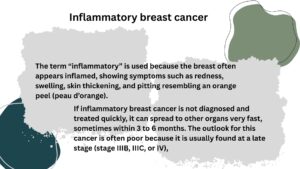
Inflammatory Breast Cancer (IBC): IBC is one of the most aggressive breast cancer that often metastasizes to other organs and is diagnosed at the stage III or higher. In this rare type of breast cancer, mastectomy is usually required.
Prophylactic mastectomy: Some individual undergo prophylactic (Preventive) mastectomy to remove one or both breast in order to reduce the risk of developing and recurrence of breast cancer.
BRCA Gene Mutations: Breast cancer Susceptibility Genes (BRCA) are associated with breast cancer. More than 60% women may inherit BRCA1 and BRCA2 gene mutation while approximately 13% of women with these mutation develop breast cancer. These mutations associated with significantly higher lifetime risk of developing breast cancer.
Genetic factors: If a family has a history of breast or ovarian cancer, the risk of developing breast cancer increases.
Breast cancer in Men: According to American Cancer Society, in 2025, about 2,800 men will be suffering from breast cancer and about 510 men will die from the disease. Since men have very small breast tissue, mastectomy is the most common treatment for breast cancer in men.
TYPES OF MASTECTOMY
Different types of mastectomy are available depending on patient’s needs. Understanding the different mastectomy types helps the patients have more informed discussion with the surgical team. After evaluating clinical condition of patient, surgeon recommend most suitable approach for the patient’s health.
Simple (Total) Mastectomy
Simple mastectomy removes the entire breast tissue to reduce the risk of breast cancer. In this procedure, the entire nipple, areola and breast skin are removed, while the chest muscles are left intact. The lymph nodes under the arms are also preserved unless they appear abnormal.
Modified Radical Mastectomy
Modified radical mastectomy procedure removes entire breast tissue, along with nipple-areola complex, breast skin and axillary lymph nodes (level I and II) under your arm. Your chest muscles remain intact, which helps preserve chest wall strength and shape. This procedure suggested by surgeons if the patient is suffering from invasive breast cancer.
Skin-Sparing Mastectomy
In Skin-Sparing Mastectomy, the breast tissue and the nipple-areola complex are removed, while most of the breast skin is preserved. This approach allows for immediate breast reconstruction using implants or tissue flaps. It is generally considered ideal for early-stage invasive breast cancer.
A nipple-sparing mastectomy (NSM)
A nipple-sparing mastectomy (NSM) surgery is to remove breast tissue while preserving nipple, areola and breast skin.
This surgery suitable for small tumor that located 2 cm from the nipple, areola and skin.
Subcutaneous Mastectomy
Subcutaneous Mastectomy removes most of the internal breast tissue while preserving the nipple-areola complex and skin envelope. Used primarily for prevention in high-risk individuals.
Prophylactic Mastectomy
Prophylactic Mastectomy is the surgical procedure to remove one or both breasts. This procedure reduces the risk of cancer by 90% in high-risk individuals.
If the patient has family history of breast cancer, they prefer to go for prophylactic mastectomy. This is of two types-
- Bilateral prophylactic mastectomy (BPM)
- Contralateral Prophylactic Mastectomy (CPM)
Less common procedure:
Radical Mastectomy
Radical Mastectomy procedure involve removal of entire breast, chest wall muscles and all axillary lymph nodes. Now this surgery replaced with modified radical mastectomy, which has similar survival rates with better functional outcomes.
Other procedure
Lumpectomy (Partial Mastectomy)
Lumpectomy is the surgery used to removes only cancerous tumor and margin of healthy tissue and preserved the normal healthy breast tissue. This is suitable for single small tumor, early-stage breast cancer.
Mastectomy vs lumpectomy
Lumpectomy is not applicable for all the breast cancer patients. There are several factors that determine that patient will undergo mastectomy or lumpectomy.
Tumor-to-breast size ratio: Lumpectomy is not recommended when a large tumor detected in small breast. In such cases, mastectomy is the preferred option.
Multicentric and multifocal tumor: Presence of multiple tumor within single breast area can not be removed with lumpectomy but Mastectomy is safer option to reduce the risk.
Radiation exposure: If the person already has exposure with radiation for other reasons. Lumpectomy is not performed, and mastectomy become the preferred option.
Genetic factor: Genetic mutations significantly increase the risk of breast cancer. There is higher risk of recurrence or of developing new cancer tissue after lumpectomy. Therefore, mastectomy is better option.
Preparing for Mastectomy
For mastectomy, the healthcare team guides and provides support through each step to the patient.
Different tests
Before mastectomy, patient undergo different tests and assessments.
Medical Tests: Doctor advice Complete Blood Count (CBC), diabetic test. They also recommend chest X-ray or CT scan, ECG and additional imaging such as mammogram, breast MSI, or ultrasound.
Genetic Testing: Before surgery, doctor may recommend genetic testing for BRCA mutations, and other mutations is you have family history and you’re considering prophylactic removal of the opposite breast.
Anaesthesia: Anesthesiologist review the medical history of patient, current medications, allergies, breathing issues and any concerns about anaesthesia.
Reas article:
Estrogen Balance: The Secret Behind Energy, Mood, and Glow
Endometriosis: Everything You Need to Know About Symptoms & Care
References:
1. Wagle, Nikita Sandeep, et al. “Cancer treatment and survivorship statistics, 2025.” CA: A Cancer Journal for Clinicians (2025).
2. BRCA Gene Changes: Cancer Risk and Genetic Testing
3. What to Know About Male Breast Cancer, Breast Cancer Research Foundation