

WHAT IS ESTROGEN?
Estrogens are a group of hormones that help control the growth and function of the female reproductive system. Most estrogen is made in the ovaries, but small amounts are also produced by the adrenal glands and fat cells.
This hormone affects many parts of a woman’s health — including fertility, weight, heart, and bones. When estrogen levels rise or fall, it can cause different physical and emotional changes in the body.
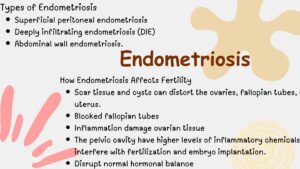
Related article: Endometriosis: Types, Stages, Symptoms & Care
TYPES OF ESTROGEN
There are four main types of estrogen in women.
Estrone (E1)
Estrone (E1) is one of the main types of estrogen. It is mainly made in body fat, but also in the ovaries and the placenta. After menopause, it becomes the main form of estrogen in the body.
Estrone is a weaker type of estrogen, and the body can change it into other forms when needed. During the childbearing years, it is the second most common type of estrogen produced.
Estradiol (E2)
Estradiol (E2) is the strongest and most active form of estrogen during a woman’s reproductive years. It is mainly made in the ovaries, and its levels change throughout the menstrual cycle.
Too much estradiol can cause problems like acne, low sex drive, depression, and even increase the risk of breast or uterine cancer. Low levels, on the other hand, can lead to weight gain and heart problems such as cardiovascular disease.
Estriol (E3)
Estriol (E3) is the main type of estrogen produced during pregnancy. It is mainly made and released by the placenta and is considered a weak form of estrogen.
Often called the “pregnancy estrogen,” its levels increase throughout pregnancy, helping the uterus grow and preparing the body for childbirth.
Estetrol (E4)
This type of estrogen is produced only during pregnancy by the fetus’s liver.
FUNCTION
1. Manintain body shape and skin
Estrogen affects fat distribution, giving the body feminine features. Estrogen keep skin soft, smooth, and elastic by promoting collagen production and maintaining hydration.
2. Regulate reproductive health
Estrogen helps control the menstrual cycle by working with progesterone to regulate ovulation and prepare the uterus for pregnancy. It stimulates the growth and development of the uterus, fallopian tubes, and vagina during puberty.
During each cycle, it helps thicken the uterine lining (endometrium) so a fertilized egg can implant. Estrogen also helps maintain vaginal moisture, thickness, and elasticity, which are important for sexual and reproductive health.
3. Pregnancy & fertility
Estrogen supports the growth of the uterus. It helps develop the milk ducts in the breasts in preparation for breastfeeding. It works with progesterone to maintain the pregnancy and support the developing baby.
4. Other functions
Estrogen affects the heart and blood vessels, bones, skin, hair, mucous membranes, pelvic muscles, and the brain. Estrogen supports mood stability, memory, and focus.
Low estrogen levels can lead to mood swings, anxiety, irritability, or depression, especially during menopause or postpartum periods.
ESTROGEN IMBALANCE
Estrogen levels in the body naturally rise and fall throughout life during puberty, menstrual cycles, pregnancy, and menopause. When these levels become too high or too low for a prolonged period, it leads to an estrogen imbalance. This imbalance can affect physical health, mood, and overall well-being.
Conditions that tend to disturb hormones include:
- Cysts and tumors
- Drugs such as birth control or cancer treatments
- Environmental exposure to chemicals
- Stress
HORMONAL IMBALANCE SYMPTOMS
It can be challenging to identify a hormonal imbalance because the symptoms vary depending on which hormones are affected and how.
1. Irregular menstrual cycle
There are many reasons why your monthly period can change, but hormonal imbalance is one of the most common. When your hormone levels rise or fall, your period may become late, missed, more frequent, heavier, or irregular.
2. Affect hair quality
Hormones influence hair’s natural cycle and structure. Both hair loss and excessive hair growth (hirsutism) can indicate hormonal imbalance. If coarse hair grows on your face and chin, your body may be overproducing male hormones. If you’re losing hair, you could have a thyroid problem.
3. Skin problems
A hormonal imbalance can affect the color and texture of your skin. If your progesterone levels rise during pregnancy, you may experience more acne on your face, chest, and back.
Hormonal changes, such as those involving estrogen and progesterone, can also result in hyperpigmentation, or dark spots of skin. It is most likely to appear on the neck, groin, and beneath the breasts.
4. Sex-related symptoms
If your estrogen levels decrease as you age, you may notice poor libido, pain during sex, and vaginal dryness.
5. Weight changes
Weight increase or unexpected weight reduction is always cause for concern. However, these concerns could indicate a hormonal imbalance.
6. Mood and sleep issues
When estrogen levels fall, so does serotonin, the neurotransmitter that helps regulate mood. When such levels are low, the brain and nervous system don’t always communicate properly, creating anxiety and depression.
WHAT IS ESTROGEN DOMINANCE?
You may be familiar with the terms “estrogen excess” or “estrogen dominance,” and how they can impact your cycle. This refers to a condition in which your body contains an abnormally high level of estrogen. Rare genetic disorders, as well as certain malignancies, can result in increased estrogen levels.
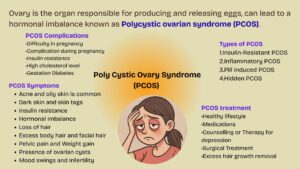
Unpredictable or skipped menstrual periods, together with normal or raised E2 (Estradiol) levels and, in many cases, high E1 (Estrone) levels, may suggest polycystic ovarian syndrome (PCOS), a medical disorder.
Related article: Polycystic Ovary Syndrome (PCOS): A Complete Guide for Women
FACTORS THAT MAY CONTRIBUTE TO ESTROGEN DOMINANCE INCLUDE
- Obesity: Having excess body weight might lead to elevated estrogen levels.
- Anxiety and depression: Consistently high cortisol levels can deplete progesterone, affecting estrogen.
- High alcohol consumption increases estradiol levels.
- Drugs: Certain drugs may increase estrogen or decrease progesterone.
- Disorders: Polycystic ovarian syndrome (PCOS), uterine fibroids, endometriosis, and certain malignancies.
- Tumors: In rare situations, feminizing adrenocortical tumors or adrenal tumors can secrete estrogen, resulting in elevated estrogen levels in men and children.
WHAT ARE THE CAUSES OF LOW ESTROGEN?
Estrogen levels naturally decrease as a woman ages, particularly when she enters menopause. Aside from menopause, decreased estrogen levels may be caused by:
- Genetic conditions
- Autoimmune disorders
- Eating Disorders
- Premature Menopause
- Treatments, such as chemotherapy, that can harm the ovaries.
Low estrogen levels can cause vaginal dryness, pain, and decreased sensitivity, which can all contribute to lower sex drive. Low levels may also produce hot flushes and night sweats, compromising sleep quality. Some persons with low estrogen levels, such as those going through perimenopause, may experience mood swings, despair, and anxiety.
HOW ESTROGEN LEVELS CHANGE WITH AGE
1. During Childbearing age
In childbearing age, estrogen levels change significantly during the cycle. A “normal” level of estrogen fluctuates throughout the day, unless you are on hormonal birth control, which stabilizes hormone levels.
2. During perimenopause and menopause
After menopause, estrogen levels drop sharply because the ovaries have fewer follicles. These follicles stop growing and no longer produce the estradiol surges that happen during the menstrual cycle.
In the years before menopause, called perimenopause, many people notice changes in their bodies due to the decline in estrogen levels. These changes can include irregular periods, hot flashes, mood swings, Risk of osteoporosis and sleep problems.
3. After childbirth
Feeling sad or emotional after giving birth — often called “the baby blues” — is very common and usually temporary. About 10%–25% of women experience more serious postpartum depression within the first six months after delivery.
This may be related to the sudden drop in estrogen and other hormones after childbirth, though researchers have not yet fully proven this connection.
NATURAL WAYS TO BALANCE ESTROGEN
In rare situations, the female body is unable to produce the proper amount of estrogen. Sedentary lifestyles and Western dietary patterns may have an impact on your hormonal balance. Furthermore, various hormone levels reduce with age, with some experiencing a more dramatic drop than others.
A balanced diet and other healthy lifestyle practices may help enhance your hormonal health, allowing you to feel and perform better.
1. Nutritional Estrogen-Boosting Food
A phytoestrogen- and nutrient-rich diet may impact hormonal balance. Phytoestrogens are plant estrogens that imitate the actions of estrogen in the body. You can increase your estrogen levels by eating foods rich in phytoestrogens without raising your risk of cancer.
Some of these include:
- Flax and other seeds like sesame
- Tofu and other soy-based food products
- Grain, such as oats and barley
- Legumes like chickpeas, lentils, and beans
Fruits and vegetables- Berries, apples and carrots, leafy green like spinach.
2. Eating healthy fats
Omega-3 fatty acids have an overall effect on hormonal balance and human health.
Some of these foods include: salmon, mackerel, and sardines, Chia seeds, flaxseeds, hemp seeds, Olive oil, Walnuts and avocados
Supplementing with fish oil or algae-based omega-3 supplements can be beneficial, particularly for people who do not consume fish on a daily basis.
Omega-3 fatty acids, in particular, have anti-inflammatory properties and can help manage insulin levels, which is especially advantageous for women with PCOS.
3. Add protein in diet
Consuming adequate amounts of protein is extremely important to maintain the hormonal balance and overall health.
Food source: Eggs, chicken breast, lentils, fish, turkey, tofu, and legumes
4. Regular exercise
Many different types of physical activity have been shown to help reduce insulin resistance, including high intensity interval training, strength training, and cardio.
For persons who are unable to engage in strenuous exercise, even frequent walking may raise critical hormone levels, potentially boosting strength and quality of life.
Regular exercise and an active lifestyle are critical variables influencing estrogen regulation. Exercises such as brisk walking, pilates, and yoga can help with hormonal balance. Regular exercise and an active lifestyle are vital factors that impact estrogen regulation.
Activities like brisk walking, pilates, and yoga can improve hormonal balance. Strength training is beneficial for preserving bone health and avoiding osteoporosis. A well-balanced training plan promotes bone and hormonal health.
However, excessive high-intensity sports or overtraining might lead to a drop in estrogen levels.
5. Take proper Sleep
Lack of sleep can raise cortisol levels, interrupt ovulation, and make it more difficult to conceive. Aim for 7-9 hours of sleep per night to promote hormone production and reduce stress levels.
6. Maintain a healthy weight
Maintaining a healthy weight with a balanced diet and regular exercise promotes estrogen regulation. Hormonal imbalances induced by excessive weight gain or decrease can result in abnormal estrogen levels.
7. Manage stress
Chronic stress can reduce estrogen levels and lead to hormonal abnormalities. Meditation, yoga, or simply going for a walk in nature can all help to reduce cortisol and restore hormonal balance.
Deep breathing, meditation, and relaxation activities can all help to reduce stress levels. Other helpful methods include spending time outside, engaging in hobbies, and so on.
8. Avoid sugar
Limiting added sugar in the diet may help manage levels of certain hormones, including insulin. Minimizing added sugar intake may be instrumental in optimizing hormone function and avoiding obesity, diabetes, and other diseases.
9. Use beneficial herbs and supplements
There are several plants that can enhance estrogen levels. Hormonal health can also be enhanced by taking supplements including vitamins D and B complex, as well as minerals like magnesium.
Fortified foods, sunshine, and supplements are popular ways to receive it.
Some of the herbs support estrogen production and balance. Some of these include black cohosh is traditionally used to relieve symptoms of menopause.
Red clover contains a high concentration of phytoestrogens, which can raise estrogen levels.
Dong quai, may be used to regulate hormones and enhance circulation.
Maca root enhances the balance of hormones and boost energy
10. Improve Gut Health
A healthy gut is important for maintaining hormonal balance. Your gut helps process and remove extra hormones from the body, so keeping it in good condition supports overall hormone regulation.
To boost gut health, include probiotic foods like yogurt, kefir, sauerkraut, and kimchi in your diet. Also, eat prebiotic foods such as garlic, onions, and asparagus — these feed the good bacteria (probiotics) and help them grow.
11. To quit smoking
Tobacco smoke can disrupt the balance of several hormones in the body. It may change thyroid hormone levels, stimulate certain pituitary hormones, and increase cortisol, the stress hormone. These changes can affect metabolism, mood, and overall hormonal health.
Read article: