

Ashwagandha
Ashwagandha also known as “Indian Ginseng” or “Indian Winter Cherry”. Due to its various medicinal properties, it Ashwagandha called “King of Ayurvedic herbs”. It is classified as adaptogen and help in reducing stress and anxiety.
Ginseng: Traditional History, Different Types & Benefits
Ginseng: Absorption, Benefits, and side effects
Why people called it ashwagandha?
ashwagandha plant is a Sanskrit word, because its roots smell like wet horse, “Ashwa” means horse and “Gandha” means smell, so it called ashwagandha. It is believed that after consuming the root, one gains powers similar to that of a horse. The second part of the name “gandha,” means fragrance and refers to the characteristic smell of the fresh root of the plant.
Since ancient times, it has been traditionally used in Ayurvedic medicine as a substance that used for the treatment of neurological disorders.
Alternative names
Indian Winter cherry, Indian ginseng, and Ajagandha, Queen of Ayurveda etc.
Distribution
Withania somnifera (L.) Dunal is a perennial evergreen shrub that grows mainly in tropical and subtropical regions. The plant is native (indigenous) to India. However, it is also cultivated in several other parts of the world, including Africa, mediterranean Region, Himalayas, cape of Good Hope in South Africa, Canary Islands, and Australia.
Ashwagandha in Ayurvedic medicine
In India, ashwagandha has been used as traditional medicine for more than 3000 years.
In Ayurveda, it is known as a tonic for strengthening the nervous system and improving overall health. It belongs to a special group of Ayurvedic herbs called “Rasayana.”
In Ayurveda, Rasayana herbs are believed to improve health and physical strength and energy. It supports longevity and helps the body to adapt to stress (adaptogen).
Traditionally, ashwagandha root used as sedative, and diuretic. It may also kill intestinal worms and stimulate general health.
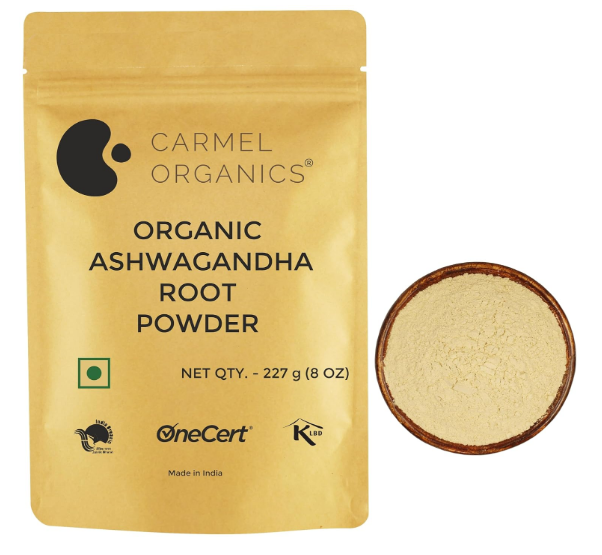
Ayurvedic practitioners traditionally prepare Ashwagandha in two main ways either by boiling fresh roots in milk or grinding the roots into fine powder and mix with milk, honey or water.
Benefits of Ashwagandha
Ashwagandha act as adaptogen
Stress can disturb the balance between the immune system and the neuroendocrine system (the system that connects the nervous system and hormones). Withania or ashwagandha balance immune system and help patients adjust to physical and mental stress.
Hypothalamic-pituitary-adrenal axis (HPA-axis) is the main system in the body that regulate stress. Ashwagandha control HAP-axis and regulate body response to stress.
In case of chronic stress, ashwagandha regulate the stress hormone cortisol and decrease the level of cortisol.
Ashwagandha Can Increase Sleep
Ashwagandha leaves (both alcoholic and water extracts) showed changes in brain and muscle activity related to sleep. The traditional Indian medical system Ayurveda also reports that Ashwagandha can increase sleep.
A compound called Triethylene glycol (TEG) present in Ashwagandha leaves is believed to be responsible for the sleep-inducing effect. TEG mainly increases the frequency of sleep episodes, particularly Non‑rapid eye movement sleep (NREM sleep). Sleep cycle occurs in four stages. POST explain the sleep architecture and related brain disorders.
Sleep: Stages, Importance, Disorders
Ashwagandha Enhance Ojas
In Ayurveda, Ojas is considered the final and most refined product of properly digested food and healthy metabolism. Healthy Ojas associated with strong immunity, good physical strength, mental clarity, and overall well-being and vitality.
When Ojas becomes low, the condition is called Ojakshaya. This is described as a state of severe weakness and poor immunity, somewhat comparable to immune-deficiency conditions such as HIV/AIDS. Ashwagandha is believed to increase or nourish Ojas, thereby improving strength and immune system.
When taken regularly as Ashwagandha churna, it is traditionally used to help with general weakness and fatigue, age-related debility, rheumatism, nervous exhaustion, brain fog and poor memory, loss of muscle strength.
Help in Male Sexual Dysfunction
Ashwagandha root extract is traditionally used to help treat erectile dysfunction, sexual weakness and reproductive health in men. In traditional herbal medicine such as Ayurveda, Ashwagandha is considered a rejuvenating herb.
Maintain Heart Health
Ashwagandha may also help protect the heart and blood vessels. It has been reported to protect the heart from damage caused by myocardial ischemia and reperfusion injury, help in conditions of focal ischemia (restricted blood supply to tissues) and support anti-atherogenic activity, meaning it may help prevent Atherosclerosis
Neurodegenerative disorders
In neurodegenerative disorders such as Alzheimer’s disease and Parkinson’s diseases, brain cells are damaged and that can lead to memory loss. Ashwagandha may help protect memory and improve learning ability. Ashwagandha improve brain function, memory and hippocampal plasticity.
In Alzheimer’s Diseases
In neurodegenerative diseases like Alzheimer’s disease, toxic β-amyloid plaques and abnormal tau proteins damage brain cells and cause inflammation. Ashwagandha and its active compounds may protect neurons by reducing amyloid accumulation, inflammation, and oxidative stress, and improve the health of Alzheimer’s patients.
Alzheimer’s Disease and Protein Misfolding
In Parkinson’s Disease
In Parkinson’s disease, certain nerve cells that produce Dopamine gradually die. Loss of these dopamine-producing neurons causes reduced dopamine levels and imbalance between inhibitory dopamine and excitatory neurotransmitters such as acetylcholine and glutamate.
This imbalance leads to motor symptoms such as tremors, stiffness, and slow movement.
Studies showed that using Ashwagandha induced Parkinson’s disease showed protective effects. It reduced lipid peroxidation and increase antioxidants that help protect neurons from oxidative damage.
Ashwagandha treatment also increased dopamine levels and improved binding of dopamine receptor.
Ashwagandha reduced motor impairments, improved movement and coordination.
In Huntington’s Disease
Huntington’s disease is a rare, inherited neurodegenerative disorder that gradually damages nerve cells in the brain. It mainly affects movement, thinking ability, and behavior.
In Huntington’s diseases, the protein becomes abnormally folded and insoluble and starts accumulating in neurons. That leads to neuron apoptosis (brain cell death).
As brain cell die, important neurotransmitters such as dopamine, GABA, serotonin and acetylcholine become imbalanced.
Studies showed that Ashwagandha improved Huntington’s disease symptoms. It improves motor neurons, better motor coordination and neurological function.
Ashwagandha also repair damaged protein, reduce neuroinflammation and improve brain function.
In Obsessive-Compulsive Disorder (OCD),
OCD often occurs with anxiety, but anxiety is not required. In clinical practice, people with OCD frequently also experience anxiety, phobias, and other negatives emotions.
The herb Ashwagandha acts as anti-obsessive effect and may help in OCD treatment. It is used along with Selective Serotonin Reuptake Inhibitors (SSRI) antidepressants to improve symptoms. After treatment, it reduces compulsive behavior, improved behavioral deficits, without affecting motor activity. The results were similar to standard OCD drugs such as fluoxetine, ritanserin, and para‑chlorophenylalanine.
Obsessive-Compulsive Disorder (OCD): Symptoms, Subtypes, diagnosis & Treatment
Alcohol Withdrawal Syndrome
Alcohol Withdrawal Syndrome (AWS) occurs when person suddenly stops or reduces alcohol consumption. AWS causes tremors, anxiety, sweating, nausea and seizures (in adverse case).
When Ashwagandha was given orally to rats, it reduced anxiety caused by long-term alcohol use and withdrawal.
Ashwagandha may help reduce anxiety, seizures, and behavioral disturbances caused by alcohol withdrawal, at least in animal models (rats). It reduces anxiety, seizure, and improve locomotor activity.
Anti-Inflammatory/Immunomodulatory Effects
Ashwagandha reduces inflammation and help in treatment of disease which are associated with the inflammation such as heart diseases, lung disease, autoimmune disease, diabtes, cancer and neurodegenerative diseases.
Ashwagandha maintain mitochondrial function, control apoptosis (programmed cell death) and reduce inflammation.
In Lupus, ashwagandha control proteinuria (protein in urine) and improve nephritis (kidney inflammation).
Ashwagandha may help reduce symptoms of Arthritis, including joint inflammation and pain.
Study showed that It also regulate white blood cell counts, bone marrow cell production, increase antibody level and strengthen immune system.
Anti-Inflammatory Diet: Best Foods to Reduce Inflammation Naturally
Osteoarthritis: Symptoms, Causes & Risk Factors
Antibacterial Properties
Ashwagandha shows broad antimicrobial activity including antibacterial, antifungal, antiparasitic, and antimalarial effects. These effects are mainly demonstrated in laboratory and animal studies, and further clinical trials in humans are needed.
Support for Infertility Treatment
Ashwagandha may help improve male fertility, semen quality, hormonal balance, antioxidant status, and sexual function, and may also enhance sexual health in women. However, further clinical research is still required to confirm these effects and understand the exact mechanisms.
Anticancer Effects
Ashwagandha contains bioactive compounds such as withanolides and withaferin A that show promising anticancer, chemoprotective, and radioprotective properties. These effects include inducing apoptosis, inhibiting tumor growth, and protecting healthy tissues, although more clinical research in humans is needed.
What Is Cancer? Symptoms, Causes, Prevention & Latest Treatments
Antidiabetic Activity
Ashwagandha may have potential antidiabetic effects, particularly by improving lipid metabolism, reducing oxidative stress, and regulating inflammatory pathways. However, the evidence for direct blood-glucose reduction in humans is still limited, and more clinical studies are needed.
Maintain Heart Health
Ashwagandha may protect the heart by reducing oxidative stress, preventing heart cell death, restoring antioxidant balance, and activating the AMPK energy-regulation pathway. However, most evidence currently comes from animal studies, and further clinical research in humans is required.
Treatment of Hypothyroidism
Ashwagandha may support thyroid health, especially in early hypothyroidism, by improving hormone levels and reducing oxidative stress.
Increase Muscle Strength
Ashwagandha supplementation can enhance muscle strength, increase endurance, improve recovery, boost testosterone, reduce body fat, and support overall athletic performance.
15 Amazing Health Benefits of Cinnamon and Its Side Effects
10 Powerful Superfoods That Naturally Boost Your Immune System
Recommended Products