

GILOY
Giloy (Tinospora cardifolia) belongs to Menispermaceae family. The other common Indian name of T.cardifolia is Guduchi, Amrita and Giloe.
The Tinospora genus includes 34 species distributed across Africa, Australia, Asia, Madagascar, and the Pacific region. Out of these, nine species are found in India, where they have become part of the local ecology and are cultivated for medicinal, nutritional, and other traditional uses.
It is widely found in India and China. In Ayurveda, it is known as a “Rasayana,” meaning a rejuvenating herb.
It’s leaves have traditionally been used to treat various conditions such as diabetes, rheumatism, jaundice, and skin diseases. It is also used to relieve cold, fever, diabetes, ulcers, headache, digestive problems, and pharyngitis.
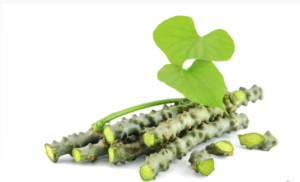
GILOY USES
Fever- Stem paste is prepared and sometimes mixed with root paste of Solanum surattense, then made into small pills for consumption.
Stem decoction (boiled extract of the stem) is taken orally as a herbal drink.
Cough- Root juice, slightly warmed, is consumed orally. A powdered mixture of Ajwain (Trachyspermum ammi), Haritaki (Terminalia chebula), and giloy (Tinospora cordifolia) is taken with a small amount of salt in the morning.
Diarrhoea and Dysentery- A root decoction (boiled root extract) is taken orally.
Jaundice – The entire plant is traditionally used in herbal preparations.
Asthma – Stem juice is mixed with honey and taken orally.
Wasting in children – Clothes are dipped in Giloy juice and made to be worn by children as part of traditional practice.
Burning sensation and burns – Fresh leaf juice or leaf paste is mixed with Sarsapa seed powder (Sarsapa Beeja churna) and applied to the affected area to help soothe and heal burns.
For fractured bones- a paste made from the entire plant of Giloy is traditionally applied externally over the fractured area.
Ear pain – Two drops of fresh leaf juice are placed in the affected ear.
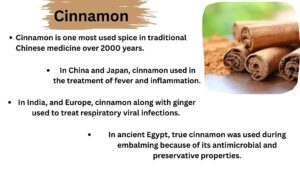
Read article: 15 Amazing Health Benefits of Cinnamon and Its Side Effects
BENEFICIAL PROPERTIES
Maintain Blood sugar Level
Giloy control elevated blood sugar levels (antihyperglycemic effect) and mildly lowers blood glucose levels (hypoglycemic effect) by improving hepatic glucose metabolism, including increasing glucose-6-phosphate levels in the liver.
After meals, when blood glucose levels spike (postprandial hyperglycemia), Giloy regulate this rise by slowing the breakdown of carbohydrates into glucose and reducing glucose absorption in the intestine.
It protects other affected organs from long-term diabatic complications.
Diabetes damages nerve cells (a condition known as diabetic neuropathy), especially affecting the peripheral nervous system, which can lead to increased pain sensitivity (hyperalgesia). It may help reduce diabetes-related nerve pain due to its antioxidant and neuroprotective properties.
It may support the healing of foot ulcers caused by diabetes due to its antioxidant and glucose-regulating properties.
Protect organs from toxin
Giloy contains alkaloids such as choline, tinosporin, palmatine, and magnoflorine that help protect organs from damage caused by toxic substances.
Protect from parasites
It helps for the treatment of scabies, skin infection caused by Sarcoptes scabiei mites.
Silver nanoparticles made from its leaf extract are effective against malaria parasite larvae and head lice (pediculicidal action).
It also have anthelmintic (anti-worm) activity against worms such as Eisenia foetida and Pheretima posthuma, with effects comparable to standard drugs like Albendazole and Piperazine citrate.
Anti-Cancer Properties
Giloy produces natural compounds like rutin and quercetin which is effective against breast cancer cell. They increases reactive oxygen species levels and induce apoptosis (programmed cell death) in breasts cancer cells.
Palmatine alkaloid found in giloy, may help reduce tumor size by reducing DNA damage and restoring the levels of antioxidant defence system.
Octacosanol isolated from Giloy can block the formation of new blood vessels that feed tumors. This may help reduce tumor growth and metastasis. In neuroblastoma, its therapeutic effect is linked to its ability to induce cellular senescence and promote apoptosis (programmed cell death) while inhibiting anti-apoptotic signals.
An herbal formulation containing 17–23% giloy has been patented for cancer treatment. In a reported case of Squamous cell carcinoma of the lung, a patient who refused conventional therapy received 450–480 mg capsules three times daily. After one month, symptoms such as hemoptysis (coughing blood) and chest pain stopped, and appetite and physical activity improved.
Lower excess level of fat in blood
Juice reduce the excess level of fat in blood (hyperlipidemia) cause by long-term consumption of alchohal. It protects the liver from damage.
It inprove the lipid metabolism by regulating the cholesterol level and fat metabolism.
It produces alkaloid berberine that maintain vascular health by reducing inflammation. Consumption of alcohol disturb the lipid metabolism, berberine regulate the lipid metabolism by recuing the cholesterol level.
It may help protect the heart from damage caused by cadmium toxicity (a harmful heavy metal).
It may help normalize abnormal heart rhythms such as atrial and ventricular fibrillation, especially in experimental cases where arrhythmia is caused by calcium chloride.
In ischemia-reperfusion injury (when blood supply is blocked and then suddenly restored), a large amount of oxidative stress occurs, which damages heart tissue. Giloy may reduce this oxidative damage and protect heart cells.
Adaptogenic Property
Giloy acts as an adaptogen, meaning it helps the body cope with physical, chemical, and biological stress by improving overall resistance.
It protects against stress-induced gastric ulcers and mucosal damage, support immune function.
Additionally, Giloy may help reduce stress-induced hypothermia and gastric ulceration. Overall, it supports the body in managing stress and protecting against stress-related damage.
Anti-Anxiety Property
It may help reduce anxiety and mood disturbances caused by poor sleep. It may also slow age-related symptoms, including memory loss and behavioral changes.
Maintains kidney health
Giloy may help protect the kidneys, including in conditions like Nephrotic syndrome, due to its anti-inflammatory, antioxidant, and immunomodulatory effects. It may reduce kidney damage caused by oxidative stress, such as that induced by sodium nitrite (a food preservative). Studies suggest that Guduchi extract can lower elevated urea and creatinine levels, which are markers of kidney dysfunction.
Nephrotic syndrome is a chronic kidney disorder commonly seen in children and is associated with immune dysfunction, especially involving T lymphocytes, leading to increased vascular permeability and impaired kidney filtration.
Promote bone health
It has traditionally been used in Indian medicine to help heal bone fractures. Experimental studies suggest that its extract may promote bone health by increasing collagen formation, boosting osteocalcin production, enhancing bone mineralization, and stimulating the growth and differentiation of osteoblasts (bone-forming cells).
It has also shown benefits in relieving knee osteoarthritis, with effects comparable to Glucosamine and Celecoxib in some studies. Additionally, compounds like Ecdysone present in the plant may help protect against osteoporosis.
Support brain and mental health
Tinospora cordifolia may support brain health and mental function. Studies suggest it can improve memory and learning in children with behavioral disorders and mental deficits, and it may also help reduce symptoms of depression.
In experimental models where 6-Hydroxydopamine was used to induce neuronal damage, Giloy extract showed neuroprotective effects by increasing dopamine levels and improving movement. Additionally, a herbal formulation containing Giloy was patented for managing senile and presenile dementia and improving memory.
Other Beneficial Applications
Giloy has nutritional, therapeutic, and immune-supporting benefits.
When added to wheat flour, its leaf powder improves the nutritional value of foods like cookies by increasing protein, fiber, beta-carotene, calcium, iron, and antioxidant activity. Guduchi-based whey beverages also show good shelf stability at both room and refrigerated temperatures.
It may promote faster wound healing by reducing the time required for complete skin repair. Additionally, its extract has shown immune-supportive effects in HIV infection, including improved hemoglobin levels and modulation of immune cells.
USE OF GILOY IN FOOD PRODUCTS
The incorporation of giloy into food products has been shown to enhance their nutritional value and provide potential therapeutic benefits. It may offer supportive effects in managing various health conditions, including diabetes, kidney disorders, immune regulation, stress management, and overall well-being.
In Meat-based products
Giloy contain various types of compound such as flavonols and poly phenols that play important role in enhancement of food quality and self-life.
In meat and meat product, addition of giloy make the product more resistance to oxidative lipid degradation during refrigerated storage.
Extracts from giloy help keep meat fresh for a longer time when stored in the refrigerator. It reduces the growth of yeast, mould, bacteria and cold-loving bacteria that grow in refrigerated conditions.
It helps keep cooked food fresh for a longer time by slowing down the degradation process.
Bakery products
The integeration of giloy powder into cookies enhances their nutritional properties. It increases protein, iron, zinc, copper, total ash, moisture, and antioxidant potential. Additionally, giloy powder reduces fat content, making the cookies a healthier food option.
The cookies showed an increase in beta-carotene, calcium, iron, fiber, protein, and antioxidant activity. Adding dried giloy leaf powder made the cookies spread less and become slightly harder. Cookies with 5% leaf powder were acceptable in taste and texture. However, some beta-carotene was lost during baking.
Beverages
Green milk (goat milk + giloy) showed increased total solids and therapeutic benefits.
A giloy-whey beverage with 5%, 7%, and 10% leaf extract was tested. The 5% level was most acceptable in taste. It also had a longer shelf life at both room temperature (30°C) and refrigerated conditions (7°C).
A probiotic drink made with giloy leaves, stems, whey, and Lactobacillus acidophilus showed best sensory acceptance at a 90:10 whey-to-Tinospora ratio.
A herbal drink made with mausambi juice, giloy, and basil was most acceptable at 6% basil and 1.5% Tinospora, and could be stored for two months at room temperature.
Ready-to-serve (RTS), squash, and syrup made from giloy stem were satisfactory, especially when blended with kinnow (mandarin orange hybrid), which improved taste.
Extracts of giloy and Ocimum sanctum (Tulsi) mixed with sweet orange juice produced a refreshing health drink with good antioxidant activity and two-month storage stability.
A probiotic herbal wine fermented using giloy stems and Lactiplantibacillus pentosus contained high ethanol, phenols, antioxidants, and bioactive compounds with antibacterial, anti-inflammatory, and antioxidant properties.
GILOY SIDE EFFECTS
Possible side effects
In some cases, long-tern use of giloy cause constipation or decrease the blood sugar level in diabetic or prediabetic patients.
In case of surgery, it’s better to stop the use of giloy before surgey. In case of pregenant of brest feeding mother, monitor sugar level before taking giloy supplements.
Overall, side effects are generally mild, but medical advice is recommended before use.
Heavy metal risk
Plants collected from industrial or high-traffic areas may absorb lead and cadmium from polluted soil.
These metals accumulate in the plant’s warty stem tubercles, which must be removed during Ayurvedic preparation.
If not removed, contaminated products may cause kidney and liver damage.
Proper identification of T. cordifolia
Tinospora crispa looks similar to T. cordifolia but may cause liver toxicity. It become essential to identify T. cordifolia properly to ensure safe herbal use.
Read article:
A Complete Guide to Lung Cancer: Causes, Symptoms & Treatment