

What Is Protein Powder?
Protein powder is a concentrated protein supplement made from animal sources (such as milk and eggs) or plant sources (such as soy, peas, rice, and hemp). It is processed into a fine powder that can be mixed with water, milk, or smoothies, or added to foods for a convenient protein boost.
Protein powders help people—especially athletes, vegetarians, or individuals with high physical activity levels meet their daily protein requirements when regular food intake is insufficient.
Compared to traditional protein-rich foods, protein powders are quick, portable, easily digestible, and provide a measured amount of protein, making them a convenient dietary supplement.
Protein powders are categorized based on their source, including whey, casein, egg albumin, beef, and plant-based proteins such as soy and pea. They are commonly used to support muscle building, tissue repair, weight management, and muscle toning.
Important facts about protein powders:
- They are supplements, meant to support meals rather than replace whole-food protein sources.
- Protein powders are not 100% protein; for example, whey protein concentrate may contain 25–80% protein, with the remainder consisting of fat, lactose, sugars, and additives.
- Whey protein is fast-digesting, making it suitable for post-workout recovery.
- Casein protein digests slowly, helping maintain fullness and reduce late-night hunger.
- Soy protein is one of the few plant proteins that contain all nine essential amino acids.
Reads: Protein-Rich Diet: Key Benefits and Foods for a Strong Body
Types of Protein Powder
Animal-Based Protein Powder
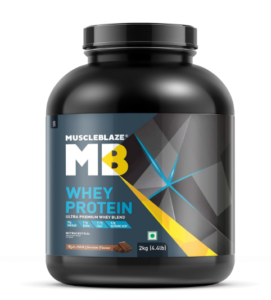
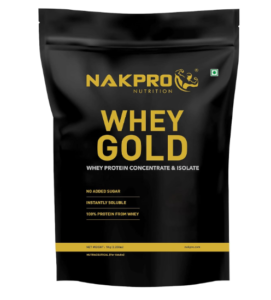
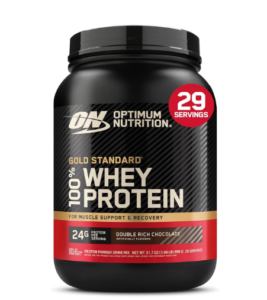
Whey Protein Powder
Whey protein powder is one of the most commonly used protein supplements. It is derived from cow’s milk and produced as a by-product of the cheese-making process, where the liquid whey separates from milk curds. Milk contains about 20% whey protein, which is easily digested and absorbed by the body compared with many other protein sources.
Whey protein is considered a complete protein because it contains all nine essential amino acids (EAAs) that the human body cannot synthesize on its own. It is particularly rich in branched-chain amino acids (BCAAs) such as leucine, isoleucine, and valine. Among these, leucine plays a key role in stimulating muscle protein synthesis, making whey protein beneficial for muscle growth, recovery after exercise, and improving strength during resistance training.
The major protein components of whey include approximately 50% beta-lactoglobulin, 20% alpha-lactalbumin, and about 10% bovine serum albumin, along with smaller amounts of lactoferrin and immunoglobulins, which contribute to its nutritional and biological properties.
During cheese production, two main types of whey are formed depending on the process:
Sweet whey, with a pH of about 5.6 or higher, produced during the manufacture of cheeses such as cheddar, mozzarella, and Swiss.
Acid whey, with a pH below 5.1, produced during the manufacture of cottage or ricotta cheese. Sweet whey is more commonly used in whey protein products.
Due to its rapid absorption, high amino-acid content, and favorable nutritional profile, whey protein powder is widely used for post-workout recovery, muscle growth, and improving athletic performance. However, it should be avoided by individuals with milk allergies or those following a vegan diet.
Types of Whey Protein Powder
Whey Protein Concentrate (WPC) contains about 30–90% protein and small amounts of fat and carbohydrates. It undergoes less processing, making it generally cheaper than the other forms.
Whey Protein Isolate (WPI) is more highly processed, removing most fat and lactose and resulting in a protein content above 90%. Because of the reduced lactose and carbohydrate content, it is often preferred by people who want lower carbohydrate intake.
Whey Protein Hydrolysate (WPH) is a partially hydrolyzed or “predigested” form of whey protein. The hydrolysis process breaks proteins into smaller peptides, which allows faster absorption and may reduce the chance of allergic reactions, making it a potential hypoallergenic option. However, more research is needed to fully confirm these benefits.
Casein Protein Powder
Casein protein powder is another major protein derived from cow’s milk, accounting for about 80% of milk protein, while whey makes up the remaining 20%. Unlike whey protein, casein is digested and absorbed more slowly, which means it does not promote rapid muscle building but provides long-lasting effects in the body.
When consumed, casein interacts with stomach acid and forms a gel or clot in the stomach. This slows stomach emptying and leads to a gradual release of amino acids into the bloodstream over several hours. Because of this slow digestion, casein helps maintain a steady supply of amino acids, reducing muscle protein breakdown between meals or overnight.
Due to its slow and sustained amino-acid release, casein protein is commonly used in meal replacement shakes, such as for breakfast to support daily energy needs or before bedtime to support overnight muscle repair and protein synthesis.
Compared with whey protein powder, casein has a thicker and more granular texture. It mixes well in thicker drinks like smoothies, but it does not dissolve as easily in thin liquids.
Research suggests that casein may increase satiety (feelings of fullness) when consumed before meals, sometimes more effectively than proteins like whey or egg protein. Because of this, it may help support metabolism, weight management, and meeting daily protein requirements.
However, like whey protein, casein is not suitable for people with milk allergies, lactose intolerance, or those following a vegan diet.
Collagen Protein Powder
Collagen protein powder is derived from animal sources such as bones, tendons, and skin. It is usually available as hydrolyzed collagen, which is easier for the body to digest and absorb. Collagen supplements are mainly used to support joint health, improve skin elasticity, and strengthen hair and nails. However, compared with whey protein, collagen is less effective for promoting muscle growth.
Some collagen supplements, such as those containing collagen peptides and milk protein isolate, provide about 25 grams of protein per serving and are designed to support hair, skin, nails, and joint health. These products are often lactose-free and easier to digest, and their ingredients may be third-party tested for safety and label accuracy.

Egg White Protein Powder
Egg white protein powder is made from dried egg whites and is an animal-based complete protein containing all essential amino acids. Its digestion rate is faster than casein but slower than whey protein. Although it supports muscle development, it is generally less effective at stimulating muscle protein synthesis compared to whey or casein.
Egg white protein can be used as a meal replacement, particularly before bedtime, because of its moderate digestion rate. It can also be combined with other protein powders to enhance nutritional benefits, although consulting a doctor or nutrition expert is recommended before mixing supplements.
Egg whites provide several health benefits, including increasing muscle mass and strength, lowering cholesterol levels, and reducing visceral fat (fat stored deep in the abdomen around organs). Egg white protein also has a high net protein utilization rate, meaning the body can efficiently use the protein. Additionally, it contains branched-chain amino acids (BCAAs) similar to milk-based proteins, making it a good option for people who are lactose intolerant or cannot tolerate whey or casein.
Plant-Based Protein Powder
Plant-based protein powders are protein supplements made from plant sources such as peas, soy, brown rice, and hemp. They are a good option for people who have milk allergies, are lactose intolerant, follow a vegan or vegetarian diet, or prefer not to consume animal products.
However, some plant proteins are incomplete proteins, meaning they lack one or more of the nine essential amino acids that the human body cannot produce on its own. To overcome this limitation, many plant-based protein powders combine multiple plant sources so that the final product contains all essential amino acids.
Because these powders often contain blended ingredients, it is important to check the ingredient list, especially if you have allergies. For example, some plant protein powders may contain nuts, which are common allergens.
Plant-based protein powders are generally easy to digest and are considered a good protein option for vegans and vegetarians, although sometimes they may need to be combined with other protein sources or foods to provide a complete amino-acid profile.
Soy Protein Powder
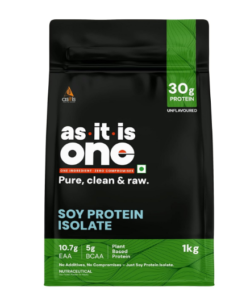
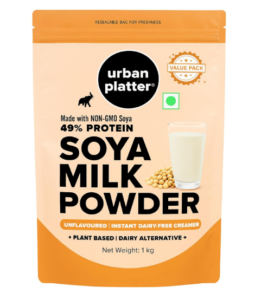
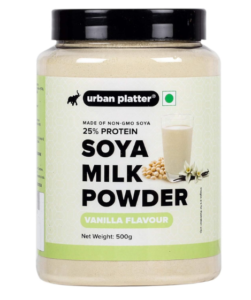
Soy protein powder is a plant-based (vegan) protein made from defatted and dehulled soybeans. It is a good option for people who are vegan, vegetarian, or lactose intolerant. Soy protein is considered a complete protein because it contains all nine essential amino acids required by the human body.
Compared with whey protein, soy protein digests more slowly and contains slightly fewer branched-chain amino acids (BCAAs) and leucine, which are important for muscle protein synthesis. However, soy protein still contains beneficial amino acids such as arginine and glutamine, making it effective for maintaining and building muscle, especially among plant-based protein supplements.
Soybeans also provide several important nutrients, including unsaturated fats, iron, calcium, fiber, omega-3 fatty acids, and other vitamins and minerals. These nutrients may help improve cholesterol levels, reduce blood pressure, support heart health, and potentially lower the risk of certain cancers. Research also suggests soy protein may help people with overweight or obesity reduce body weight, body mass index (BMI), body fat percentage, and waist circumference.
Soy protein can be consumed not only as a supplement but also through soy-based foods such as tofu, tempeh, edamame, soy milk, miso, soy yogurt, and soy cheese. However, soy is a common food allergen, so people with soy allergies should avoid it.
Pea Protein Powder
Pea protein powder is made from ground yellow split peas and is a plant-based (vegan) protein source. It is known for its good digestibility, making it a suitable option for people with a sensitive digestive system, lactose intolerance, or soy intolerance.
Pea protein is rich in fiber, which helps promote satiety (feeling full). It also contains beneficial nutrients such as lysine, which supports the immune system. Research suggests pea protein may help increase muscle strength and reduce blood pressure, blood glucose, cholesterol levels, and may also increase fullness when consumed before meals.
Additionally, pea protein has antioxidant and anti-inflammatory properties, and this nutrient combination may help reduce the risk of heart disease.
However, pea protein is considered an incomplete protein because it does not contain all nine essential amino acids, unlike whey, casein, soy, or egg protein. To obtain a complete amino acid profile, pea protein is often combined with other plant-based proteins in blended protein powders.
Pea protein is also considered hypoallergenic, making it suitable for people who need to avoid common allergens such as milk or soy. However, it is still important to check product labels, as blended protein powders may include other ingredients such as nuts that could cause allergies.
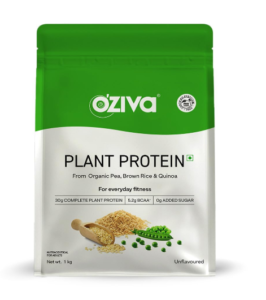
Rice Protein Powder
Rice protein powder is a plant-based protein, commonly made from brown rice, and is a good option for vegans and vegetarians. Despite the common belief that rice is mainly carbohydrates, brown rice protein contains about 37% protein and several essential amino acids.
Research suggests that the peptides present in brown rice protein may help promote muscle growth and reduce weight gain, in some cases even more effectively than soy protein. Rice protein may also help improve muscle strength and recovery.
In addition, brown rice protein is high in fiber, easy to digest, and hypoallergenic, making it suitable for people with food allergies or sensitive stomachs. It may also help reduce the risk of high blood sugar, high cholesterol, and certain cancers.
However, rice protein is an incomplete protein, meaning it does not contain all nine essential amino acids required by the body. Therefore, it is often combined with other protein sources to provide a complete amino acid profile and maximize its nutritional benefits.
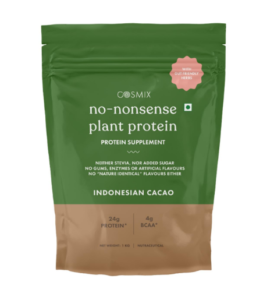
Hemp Protein Powder
Hemp protein powder is a plant-based protein made from the seeds of the hemp plant (Cannabis sativa). It is popular among vegans and people who want to avoid animal-based proteins, and it does not cause any psychoactive effects.
Compared with other protein powders such as whey, casein, and soy, hemp protein generally has lower protein content, which is why it is sometimes considered less effective purely for increasing protein intake. Instead, it is often used to support overall nutrient intake.
Hemp protein is rich in fiber, antioxidants, and omega-3 fatty acids, which contribute to digestive health, heart health, and immune system support. Omega-3 fatty acids also help provide energy to cells and support the lungs and cardiovascular system. Some studies suggest hemp protein may help reduce cholesterol and lower the risk of cardiovascular disease, although more human research is needed.
Hemp protein contains many essential amino acids, but it is generally considered not a complete protein because it is relatively low in lysine. It is also less easily digested than soy protein. For this reason, hemp protein is often combined with other protein sources to create a more balanced amino acid profile.
Overall, hemp protein powder is a plant-based, allergen-friendly option that supports nutritional balance, digestive health, and heart health, especially for those following vegan or plant-based diets.
How to Choose a Safe Protein Powder
Protein powders should be chosen carefully before consumption. The following criteria should be considered:
Choose a protein powder according to your protein requirements and dietary restrictions, such as a vegan diet or lactose intolerance.
Prefer reputable brands and consume protein powder in moderation as part of a balanced diet.
Ensure the powder contains adequate protein and low sugar, and watch for mislabeling or hidden ingredients like added sugars, fats, or artificial additives.
Certifications from organizations such as NSF International or Informed‑Sport indicate the product is tested for contaminants and label accuracy.
Approval from Food Safety and Standards Authority of India confirms the product meets Indian food safety standards.
Protein powders with artificial sweeteners, fillers, or excessive flavourings may lead to digestive discomfort in some people.
Some studies have found that plant-based protein powders may contain higher levels of lead compared to animal-based protein powders. Therefore, choosing animal-derived protein sources may help reduce the risk of heavy metal contamination.
Additional guidance for choosing protein powder
For post-workout recovery or muscle building: Whey protein is often preferred because it is rich in branched-chain amino acids (BCAAs).
For digestive support: Hemp protein can be beneficial because it is high in fiber.
For people with allergies: Pea and hemp proteins are generally allergy-friendly since they usually do not contain common allergens like milk or soy (though labels should always be checked).
Reads: