

Anti-inflammatory diets
Anti-inflammatory diets are the food that when you consume this food it reduces inflammation or the avoid food that enhance inflammation. Example: whole grain, omega-3 fatty acids, vegetables and fruits reduce inflammation whereas, high sugar, alcohol, smoking. Ultra processed foods triggers inflammation.
What is Inflammation?
Acute inflammation
Inflammation is natural process of healing; it triggers the immune system and protect the body from foreign body, known as acute inflammation. For example, in case of small injury or cut, the injured part gets swell up, turns red, heat and pain. It is the sign of inflammation and protect the wound from infection or protect the wound who already been infected by bacteria.
Chronic inflammation
When the inflammation persists for days, months or even years and immune system starts attacking its own healthy tissue. It is linked to various health conditions such as type 2 diabetes, autoimmune diseases, heart diseases, allergies and asthma, neurodegenerative diseases, depression, anxiety and inflammatory bowel disease (IBD).
How anti-inflammatory diets reduces inflammation?
Anti- inflammatory diets reduce inflammation through three mechanism and these are:
By modulation gut microbiota
By regulating inflammatory pathway
By regulation oxidative stress
By modulating gut microbiota
In human gut, millions of microorganism present that play important role in digestion, immune health and influence brain function. Anti-inflammatory diets specially, polyphenols and dietary fibers, significantly modulates the microbial composition and microbial function. Diet rich in various plants food is associated with gut microbe diversity which is good for human health.
Isoflavones are plant compounds belonging to the flavonoid group of polyphenols. They can interact with estrogen receptors and prevent diseases such as cardiovascular diseases, metabolic syndrome and neurodegenerative diseases.
The gut microbiota communicates with the brain through a system called the gut–brain axis. Short chain fatty acids (SCFAs) produced when gut bacteria ferment dietary fibers. These SCFAs helps reduces inflammation, supports brain function and influence mood and behavior.
Related Post: Why Gut Health Matters: Secrets to a Happier, Healthier You
By regulating inflammatory pathway
Diet affects health is by regulating inflammation in the body. Many mental disorders and neurodegenerative diseases are associated with chronic low-grade inflammation. If the body has persistent, mild inflammation in the brain (neuroinflammation) it leads to depression, anxiety disorders, and neurodegenerative diseases. A diet rich in anti-inflammatory foods such as fruits, vegetables, whole grain and omega-3 fatty acids can help reduce inflammatory processes.
By regulation of oxidative stress
Oxidative stress happens when there is an imbalance between free radicals (harmful molecules) and antioxidants (protective molecules). Free radicals can damage cells, proteins, and DNA and antioxidants protect the body by neutralizing these harmful free radicals.
There are two types of antioxidants:
Exogenous antioxidants– These come from food because the body cannot produce enough of them such as vitamin C, vitamin E, minerals and polyphenols in fruits and vegetables.
Endogenous antioxidants– These are naturally produced inside the body such as superoxide dismutase (SOD), glutathione, and ubiquinone.
An anti-inflammatory diet contains many antioxidant-rich foods such as broccoli, kale, cabbage, cauliflower, brussels sprouts that directly neutralize free radical and stimulate the body’s own antioxidant defense system. By reducing oxidative stress, antioxidant-rich foods may protect neurons and support brain health.
Anti-inflammatory diets
Anti-inflammatory diets include consumption of high amounts of fruits, vegetables, whole grain, legumes, fatty fish, nuts, olive oil and phytochemicals, while avoiding foods such as red meat, ultra processed foods and alcohol.
Some foods have synergistic effects
Some food combinations increase the nutritional value when consume with together, such as:
Probiotics and Prebiotics
Probiotics are good gut bacteria when consume with prebiotics usually fibers, help maintain or restore the natural balance of gut microbiota. Both significantly enhance the immune system and may help reduce inflammation than either of probiotics or prebiotics alone.
Vitamin C and Vitamin E
Oxidative stress is the one of leading cause of inflammation. Vitamin C and vitamin E together neutralize free radical that further leads to decrease in oxidative stress and protect the cell from damage.
Omega-3 fatty acids and vitamin E
Omega-3 fatty acids and vitamin E reduce oxidative stress more efficiently when consume together. Omega-3 fatty acids may help reduce inflammation but they are easily get damaged by oxidation and can produces harmful molecules. Vitamin E as an antioxidant, protect omega-3 fatty acids from oxidative damage and together they reduce inflammation.
However, not all food component work synergistically. In some cases, one food components inhibit the activity of other food components, leading to reduced nutrient absorption and effectiveness. For instance, phytate, commonly found in plant-based foods, can inhibit the absorption of minerals such as zinc and iron. Therefore, these complex interactions among food components should be considered when evaluating their potential anti-inflammatory effects.
Types of anti-inflammatory diets
Fruits and Vegetables
Fruits and vegetables are very important parts of an anti-inflammatory diet. They contain many beneficial nutrients and compounds that can support brain health and may lower the risk of certain mental and neurological disorders.
They reduce inflammation by
Reducing oxidative stress
Support gut health
Directly affecting inflammation
Fruits
Berries
Berries significantly reduce inflammation. For instance, red grapes and wine are rich sources of resveratrol, a non-flavonoid polyphenol known for its antioxidant and anti-inflammatory properties.
Blueberries, strawberries, raspberries contain high amounts of flavonoids, especially anthocyanins, which can influence inflammatory processes in the body and may help in the prevention and management of non-communicable diseases (NCDs).
Citrus fruits
Citrus fruits such as oranges, lemons, grapefruits also help reduce inflammation because they contain specific flavonoids, such as hesperidin and naringenin.
Vegetables
Vegetables such as onions, asparagus, and broccoli contain high amount of fiber and vitamins, are also important sources of flavonoids including kaempferol and quercetin. These compounds act as antioxidants and reduce inflammation.
Whole grains
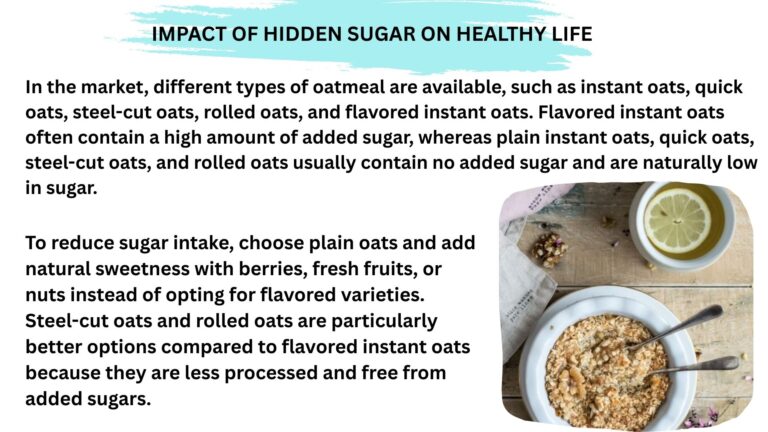
Whole grains such as rice, quinoa, oats, barley, corn and millets are not only the source of carbohydrates but also help reduce inflammation. They contain high amount of antioxidant vitamins (such as vitamin B6, thiamine, folate, and vitamin E), phytochemicals and fibers.
The dietary fiber and phytochemicals in whole grains are fermented by gut bacteria, producing beneficial microbial metabolites such as phenolic acids and short-chain fatty acids (SCFAs). They balance gut microbiota health, reduce inflammation, and protect brain health.
Legumes
Legumes, such as beans, peas, and lentils, are nutrient-dense foods rich in protein, dietary fiber, B vitamins, and essential minerals such as iron, folate, calcium, potassium, phosphorus, and zinc. Although research examining the relationship between legume consumption and mental or neurodegenerative disorders remains limited, many anti-inflammatory dietary patterns emphasize plant-based foods, where legumes serve as an important source of protein. Owing to their rich nutritional profile, legumes may contribute to overall health and potentially support brain health.
Fish
Fish, especially fatty fish rich in omega-3 fatty acids (eicosapentaenoic acid and docosahexaenoic acid), supports brain health, reduces inflammation, and is associated with lower risks of depression, psychosis, and neurodegenerative diseases such as Alzheimer’s disease.
Nuts and seeds
Nuts and seeds contain healthy fats, fiber, vitamins, and antioxidants that improve cholesterol levels and may reduce inflammation and cardiovascular disease risk. Although they are high in calories, research suggests they generally do not cause weight gain and may even help reduce obesity risk when consumed in moderation.
Fermented foods
Fermented berries
Fermented blueberries and blackberries contain high levels of polyphenolic compounds, and fermentation can increase their bioavailability (meaning the body can absorb and use them more effectively) and decrease chronic inflammation.
Fermented foods contain beneficial microorganisms (probiotics) that contribute to health by maintaining a balanced gut microbiota and regulating inflammatory processes. These actions help protect the body from various diseases.
It prevents harmful bacteria and toxins from entering the bloodstream and help reduce systemic inflammation.
Fermented dairy products
During fermentation of yogurt, kefir, and cheese, milk proteins break down into bioactive peptides. Some of these peptides act as ACE (angiotensin-converting enzyme) inhibitors, which:
Prevent conversion of angiotensin I → angiotensin II
Help lower blood pressure
Support cardiovascular health
Fermented milk products containing beneficial bacteria (such as Lactobacillus and Bifidobacterium). These changes indicate a reduction in chronic inflammation.
Vegetable-based fermented foods
Vegetable based fermented foods such as sauerkraut, kimchi (cabbage, radish pickle), fermenrd cucumbers, Fermented olives in brine, Tempeh (fermented soybean product) influence brain health. They maintain healthy gut microbes balance and regulate neurotransmitters that affect brain function and mood.
Fermented foods may help lower chronic inflammation, which is associated with various neurological disorders.
Spices and herbs
Spices and herbs are important components of anti-inflammatory diets because they contain bioactive compounds with antioxidant and anti-inflammatory properties. Spices and herbs, helping improve insulin sensitivity, lipid metabolism, and weight control, thereby reducing chronic inflammation associated with obesity.
Several bioactive molecules contribute to these effects, including apigenin (marjoram, sage, thyme, holy basil), capsaicin (chili peppers), curcumin (turmeric), eugenol (clove), and gingerol and shogaols (ginger). These compounds help reduce inflammation and may slow the progression of diseases.
Common culinary herbs and spices such as garlic, ginger, rosemary, peppers, clove, basil, oregano, cumin, turmeric, cinnamon, and thyme are rich in flavonoids, polyphenols, tannins, alkaloids, and sulfur-containing compounds, which contribute to various health benefits. These benefits may include protection against cardiovascular disease, neurodegenerative disorders, metabolic syndrome, and cancer.
Nuts
Nuts are nutrient-dense foods rich in fiber, protein, unsaturated fats, vitamins, minerals and phytochemicals. They may support brain health and help in mood and neurodegenerative disorders. Walnuts, in particular, are considered neuroprotective because they contain high levels of alpha-linolenic acid (ALA), melatonin and polyphenols, which are beneficial for brain function. Therefore, nuts—especially walnuts—may be valuable components of anti-inflammatory diets for supporting mental and neurological health.
Coffee and green tea
Coffee and green tea contain bioactive compounds that may provide several health benefits, including anti-inflammatory, antioxidant, probiotic-supporting, and neuroprotective effects, which can help support brain health.
Diet that increases inflammation
Meat
Meat provides important nutrients such as protein, vitamin B12 and iron, but it also contains saturated fats and can influence the gut microbiota. Meat consumption has been associated with an increase in Blautia species, which are linked to certain medical conditions, while it may reduce beneficial butyrate-producing bacteria (Roseburia).
Lean beef may support beneficial short-chain fatty acid (SCFA)–producing bacteria such as F. prausnitzii, but higher intake of processed and red meat has been associated with increased inflammation, higher risk of depression, and greater risk of cognitive impairment.
Note: Studies show mixed results regarding meat and cognitive health, but overall evidence suggests that high meat consumption especially processed meat may promote inflammation and negatively affect brain health, indicating that meat intake should be limited.
Sugary drink and alcohol
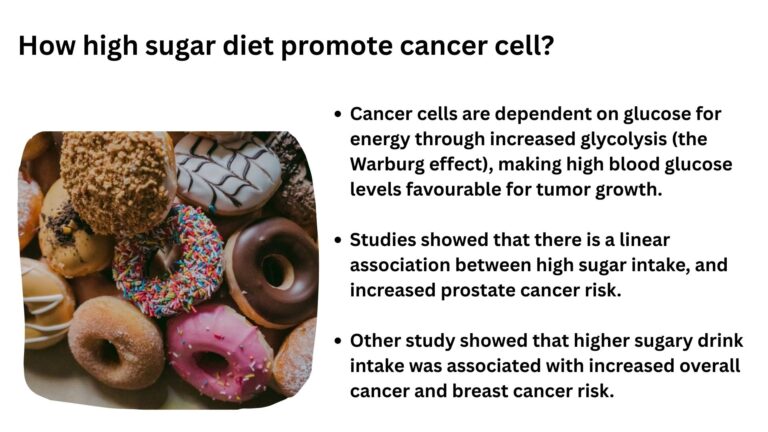
Sugary drinks (such as soft drinks and sweetened beverages) can negatively affect mental health. Studies show that high intake of these drinks is associated with higher levels of CRP, a marker of inflammation, and may increase the risk of depression.
Alcohol, including red wine, can have both positive and harmful effects. While some compounds may have mild benefits, alcohol can also increase gut inflammation and directly damage brain cells, making it risky when consumed in excess.
Ultra-Processed Foods (UPFs)
Ultra-processed foods are made mainly from refined ingredients such as unhealthy fats, starches, sugar, salt, and additives that enhance taste, texture, and shelf life. Examples include soft drinks, confectionery, margarine, fruit yogurts, processed meats, frozen ready meals, and instant sauces.
Ultra-processed foods may negatively affect gut health by altering gut microbiota composition, damaging the intestinal epithelial barrier and increasing intestinal permeability
These changes may promote inflammation-related diseases, including metabolic disorders, gastrointestinal diseases, and inflammatory bowel disease (IBD).
These types of foods are also associated with poorer mental health outcomes, including a higher risk of depression and anxiety, possibly due to their effects on inflammation and gut health. Additionally, many processed foods are high in salt, which may contribute to hypertension and cognitive decline.
Read article:
10 Powerful Superfoods That Naturally Boost Your Immune System