
HOW DIET INFLUENCE HORMONAL BALANCE
Poor dietary habits and unbalanced eating patterns can also trigger chronic low-grade inflammation throughout the body, further hormonal imbalance and metabolic health.
Nutrition plays a vital role in maintaining hormonal balance in both women and men. In both women and men, diet can influence fertility, and overall reproductive health. Therefore, adopting a balanced and nutritious diet is essential for maintaining hormonal health and reducing the risk of obesity-related endocrine disorders in both sexes.
WHAT IS HORMONE?
Hormones are released from endocrine system which regulate and modulate the physiological processes. Hormones take care and regulate the appetite and the absorption, storage, and utilization of nutrients, as well as other functions, such as reproduction.
The endocrine system includes glands which are pituitary, thyroid, parathyroid, adrenal, thymus, pineal gland as well as pancreas, testes and ovaries. Human body secrete more than 200 hormones such as testosterone, estrogen, progesterone, cortisol, leptin, and thyroid hormones.
Read article: Estrogen Balance: The Secret Behind Energy, Mood, and Glow
HOW HORMONE AFFECTED BY DIET?
NUTRITIONAL INFLUENCES ON HORMONAL BALANCE
Nutrition is one of the most important environmental factors influencing hormone function, reproductive health, and obesity. The foods we eat provide the nutrients needed to produce hormones and support many biological processes that regulate metabolism, growth, and overall health. Because nutrition has a major impact on body weight and metabolic health, it plays a central role in preventing and managing obesity.
Modern nutrition research emphasizes the importance of evaluating overall dietary patterns rather than focusing on individual foods or nutrients. Since people consume a variety of foods throughout the day, the combined effects of these foods can significantly influence metabolic health and hormone regulation. Different dietary patterns may affect hormones in different ways, making diet an important factor in obesity-related hormonal imbalances.
Calorie restriction has attracted considerable scientific interest because reducing energy intake may provide benefits beyond weight loss. Studies suggest that controlled calorie reduction can improve metabolic health, support hormonal balance, and positively influence several physiological processes.
WESTERN DIET AND HIGH-FAT DIETS
The Western diet is characterized by high intake of processed and ultra-processed foods (UPFs), refined grains (white bread, pastries, etc.), red and processed meats (sausages, bacon, hot dogs), added sugars and sugary beverages, saturated and trans fats, high-glycemic-index foods.
WHY SHOULD WE AVOID THE WESTERN DIET?
It increases the risk of chronic diseases. Research has linked the Western diet to obesity, Type 2 diabetes (T2D), cardiovascular diseases (CVDs) and certain cancers.
WD INCREASES CORTISOL LEVELS
The high amounts of processed foods, saturated fats, sugars cause chronic inflammation, oxidative stress. These factors disturb the hypothalamic–pituitary–adrenal (HPA) axis which leads to increase in cortisol secretion, stress responses become exaggerated. Higher cortisol promotes fat accumulation, especially abdominal fat.
In obese individuals, additional factors such as excess adipose tissue, insulin resistance (IR), altered hormonal signaling further elevate cortisol levels.
WD NEGATIVELY AFFECTS REPRODUCTIVE HEALTH
Studies have associated diets rich in processed meats, full-fat dairy products, sugary beverages, sweets, excess coffee, and alcohol with poorer reproductive outcomes such as reduced fertility, and hormonal disturbances.
WD DISRUPTS OTHER HORMONES THROUGH OXIDATIVE STRESS
The Western diet contains few antioxidant-rich foods (fruits and vegetables) and is rich in pro-oxidant compounds such as saturated fatty acids (SFAs) and advanced glycation end products (AGEs), which form during high-temperature cooking and food processing.
Oxidative stress can impair hormone production and signaling in both men and women which leads to insulin resistance, elevated cortisol, and reduced fertility.
WESTERN DIET AFFECTS GUT MICROBIOTA (GM)
Western diet imbalance the composition of gut bacteria (structural changes) and the activity and metabolism of gut bacteria (behavioral changes). These changes can increase intestinal inflammation, promote obesity and affect hormone regulation. As a result, an unhealthy gut microbiome may contribute to Insulin resistance, metabolic disorders and hormonal imbalances
HIGH-FAT DIET (HFD)
A high-fat diet (HFD) is generally defined as a diet in which more than 30% of total calories come from fat. Not all fats are harmful, but diets high in saturated and processed fats are particularly associated with adverse metabolic effects.
Research suggests that prolonged consumption of a high-fat diet can increase abdominal fat accumulation, and more visceral (abdominal) fat develops.
Fat tissue becomes hormonally active which cause insulin resistance (IR), and cells become less responsive to insulin. The body compensates by producing more insulin and increase androgen (male hormone) production which leads to infertility.
Impact in women with PCOS
Women with Polycystic Ovary Syndrome (PCOS) are particularly vulnerable. Studies show that high-fat diets may increase insulin resistance, reduce ovarian responsiveness to FSH, impair follicle maturation, and ovulation rates.
LOW-CARBOHYDRATE DIETS AND KETOGENIC DIETS
LOW-CARBOHYDRATE DIETS
A low-carbohydrate (low-CHO) diet restricts carbohydrate intake. It is very-low-carb diet (VLCD, <10% of total daily calories) or ketogenic diet (KD, typically 20–50 g carbohydrates/day). Low-carb diet includes <26% of calories or <130 g carbohydrates/day, and moderate-carb diet: 26–44% of calories from carbohydrates.
KETOGENIC DIETS
A ketogenic diet is high in fat, adequate in protein and very low in carbohydrates, because carbohydrates are scarce, the body switches from using glucose to using fat as its primary fuel source.
The liver converts fats into ketone bodies such as acetoacetate, acetone, and beta-hydroxybutyrate, which are quantifiable in serum or urine. This metabolic state is known as nutritional ketosis. Unlike diabetic ketoacidosis, nutritional ketosis is generally safe and produces blood ketone concentrations of approximately 1–7 mmol/L without causing dangerous acidosis.
Studies show that women may produce higher levels of beta-hydroxybutyrate after meals than men. Possible reasons include different body fat distribution, and effects of estrogen on fat metabolism. This suggests that men and women may respond differently to ketogenic diets.
How KD promotes weight loss
Ketogenic diets often produce greater short-term weight loss than many conventional balanced diets. Possible reason is increased satiety in which protein and fat are more filling than carbohydrates, results I reduced hunger and lower calorie intake. The second possible reason is KD may alter ghrelin; leptin regulation improves and increased fat burning. KD promotes Lipolysis and reduced fat synthesis.
Reduced insulin levels can improve hormonal balance in women and improve fertility in women especially in PCOS women.
Studies report improvements in body weight, fasting insulin levels, free testosterone levels, LH/FSH ratio, ovulatory function and fertility outcomes. Thus, KD may serve as a useful dietary strategy for women with obesity, PCOS, and even type 2 diabetes.
PLANT-BASED DIET
A plant-based diet (PBD) is an eating pattern that main focus is to consume food that are derived from plant and exclude all the animal products. Plant based diets include both vegan and lacto-ovo-vegetarian diets which is consist of plant foods such as fruits, vegetables, legumes, nuts and seeds.
PBD Limitation
Plant-based diets are rich source of vitamins, minerals, antioxidants, and fiber from fruits, vegetables, legumes, nuts, and whole grains, but they are less energy dense.
People flowing plant-based diet require supplementation of vitamin B12 because ist is mainly found in meat, fish, egg and diary.
Calcium is important for bone health and is commonly obtained from dairy products, but it is also deficient in people following PBD. However, calcium supplementation is not recommended due to the increased risk of CVD.
PBD health benefits
Plant-based diets contain large amounts of fiber, which feeds beneficial gut bacteria. PBD improved the gut health and increased insulin sensitivity.
In premenopausal women, consumption of less plant protein affects ovulatory function. Adequate intake of plant proteins (beans, lentils, soy products, nuts, seeds) may help support normal ovulation and reproductive health
Research has shown that higher intake of animal protein was associated with a greater risk of ovulatory infertility. Higher intake of plant protein appeared to have a protective effect and was associated with better fertility outcomes.
Soy and Male Hormones
Soy contains natural compounds called isoflavones, which are phytoestrogens that mimic estrogen. Some researcher believed that soy protein might affect the male hormonal health, but after research it has been found that soy and its isoflavones have no effect on total testosterone, free testosterone, estradiol, estrone, and Sex Hormone-Binding Globulin (SHBG) levels in men
Soy and Breast Cancer Risk
A large meta-analysis involving over 648,000 participants found that people who consumed more soy foods had a 13% lower risk of breast cancer. This suggests that soy consumption may actually be protective rather than harmful.
Plant Proteins and Weight Management
In obese individuals, plant proteins appear to influence metabolism differently from animal proteins. Plant protein intake was associated with lower insulin secretion, and higher glucagon secretion.
Higher glucagon levels can lead to increased fat burning, hepatic (liver) lipid oxidation increases
More stored fat is broken down (lipolysis), better appetite control, fat oxidation can increase satiety (feeling full).
Plant based diet lowers the cholesterol level, promote a leaner body composition and reduce fat accumulation. It helps in healthy weight loss.
MEDITERRANEAN DIET
The traditional Mediterranean diet emphasizes extra virgin olive oil (EVOO), fruits and vegetables, whole grains, legumes, nuts and seeds. It also involved moderate amounts of fish and dairy products, limited amounts of red meat, and limited consumption of red wine.
The Mediterranean diet contains low saturated fat, high antioxidants, high fiber, and healthy fat
Research shows that the Mediterranean diet can help prevent many major chronic diseases, including CVD, type 2 diabetes, some cancers, and metabolic syndrome.
The Mediterranean diet is rich in plant compounds called phytochemicals, including polyphenols, and flavonoids. These compounds have several beneficial effects such as:
- Protect cells from oxidative damage
- Reduce inflammation
- Support healthy immune function
- May help protect against cancer development
- Improve blood sugar control
- Support healthy weight management
- Hormonal Balance and Obesity
The INTERCATH study found that people who followed the Mediterranean diet more closely had lower levels of high-sensitivity C-reactive protein (hs-CRP). hs-CRP is a blood marker of inflammation and higher hs-CRP levels are associated with increased risk of cardiovascular disease, diabetes and other chronic diseases.
Mediterranean Diet improve PCOS
Mediterranean diet may help regulate hormones, especially in people with obesity and metabolic disorders.
Polycystic Ovary Syndrome is a hormonal disorder characterized by irregular menstrual cycles, elevated testosterone levels, issue with ovulation, weight and insulin resistance.
Studies show that women who closely follow the Mediterranean diet experience reduced inflammation, lower testosterone levels, improved body composition and reduced severity of PCOS symptoms. Thus, the Med-Diet may be a useful supportive strategy for managing PCOS.
Read article:
Anti-Inflammatory Diet: Best Foods to Reduce Inflammation Naturally
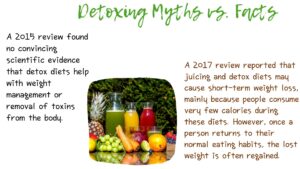
Detox Myths vs Reality: How to Naturally Support Your Body